Leader's Digest
Reducing the Carbon Footprint of Last-Mile Delivery
5 Min Read

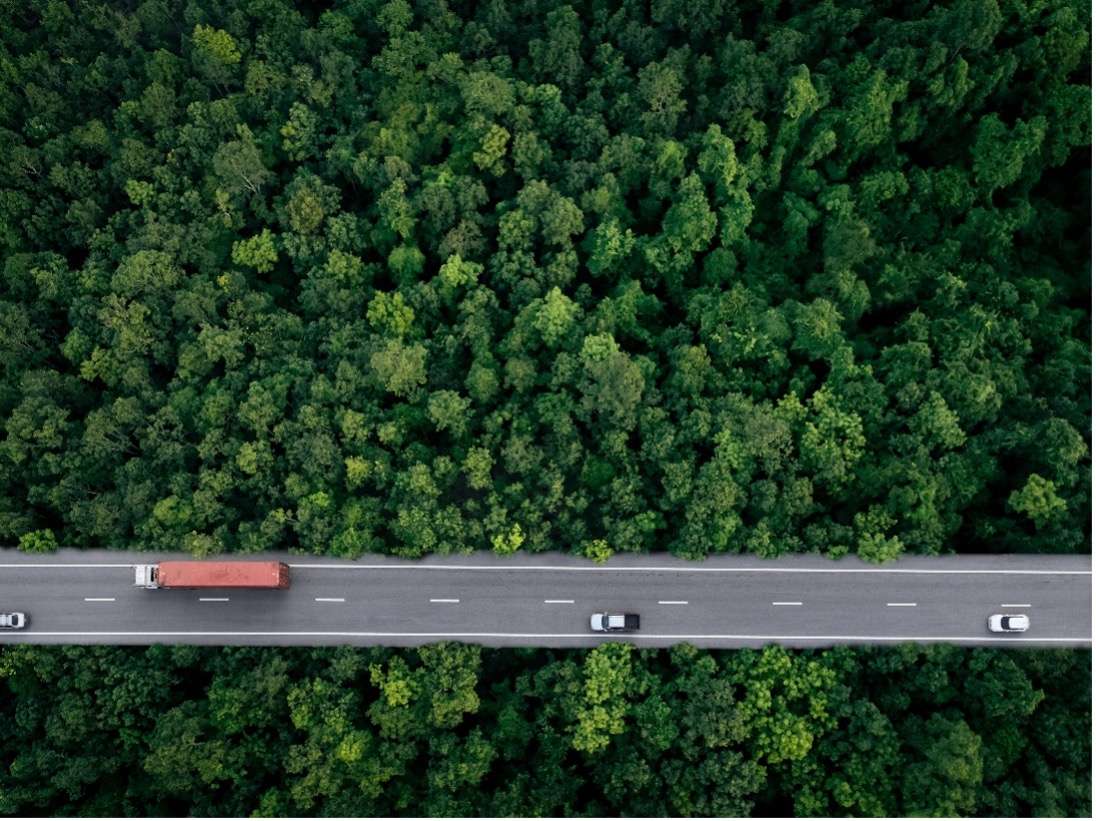
Last-mile delivery is the final, most emissions-intensive stage of the supply chain. Optimising this final leg is vital for businesses striving to reach net-zero targets and meet stringent environmental regulations.
Key Drivers for Reducing Logistics Emissions
Businesses face three primary pressures to decarbonise delivery operations:
Customer Demand: B2B buyers and consumers require proof of sustainability during tenders and purchasing decisions.
Regulatory Compliance: Governments, including those in Australia and the UK, enforce mandatory climate-related risk and carbon reporting.
High Environmental Impact: Urban deliveries involve frequent stops and traffic congestion, disproportionately driving up total fleet emissions.
Core Strategies for Decarbonising Last-Mile Operations
Implementing targeted logistics technology significantly reduces operational emissions:
Route Optimisation: Calculates the shortest, most efficient paths to cut mileage and fuel consumption.
Failed Delivery Reduction: Real-time customer tracking and flexible scheduling prevent repeat delivery attempts.
Vehicle Capacity Maximisation: High fleet utilisation ensures fewer total trips are required.
Real-Time Data Visibility: Monitors driver dwell time, idle time, and vehicle usage to eliminate operational waste.
Fleet Electrification: Transitioning to Electric Vehicles (EVs) eliminates tailpipe emissions in urban areas.
Strategic Comparison: Traditional vs. GEO-Optimised Last-Mile Delivery
Strategy | Traditional Delivery Management | Radaro Last-Mile Platform | Carbon Impact |
|---|---|---|---|
Route Planning | Static or manual routing | Dynamic, real-time route optimisation | Up to 20% reduction in total distance |
Delivery Success | Fixed windows; high retry rates | Real-time notifications and tracking | Drastically reduces return trips |
Fleet Capacity | Partial or unbalanced loads | Automated load and schedule planning | Maximises volume per vehicle |
ESG Compliance | Estimated or missing data | Automated driver and vehicle analytics | Accurate, auditable ESG reporting |
How Radaro Supports Carbon Reduction
Radaro provides end-to-end delivery management software designed to lower carbon output and streamline fleet management:
Advanced ESG Analytics: Measure driver performance, dwell time, total kilometres, and precise vehicle emissions. Learn more about our analytics on the Radaro Features page.
Dynamic Route Planning: Automatically accounts for driver start points, schedules, capacity, and service time.
Enhanced Communication: Reduces failed deliveries, which cost the industry over $200,000 annually, by informing customers at every stage.
Industry Solutions: Tailored software for sectors including Retail Logistics, Furniture Delivery, and Service Technicians.
To discuss your fleet requirements, visit the Radaro Contact Page
Frequently Asked Questions
What is last-mile delivery carbon footprint?
The last-mile delivery carbon footprint refers to the total greenhouse gas emissions generated during the final leg of a product's journey from a warehouse or distribution hub to the end customer.
Why is last-mile delivery so carbon-intensive?
It involves multiple individual stops, idle time in traffic, urban congestion, and frequent failed delivery attempts, which lead to extra trips and higher fuel consumption per package
How does route optimisation reduce carbon emissions?
Route optimisation algorithms identify the shortest, fastest routes for delivery vehicles. This directly minimises fuel consumption, reduces vehicle mileage, and lowers greenhouse gas emissions.
How do failed deliveries impact environmental sustainability?
Failed deliveries require vehicles to make repeat journeys to the same location. This doubles the fuel consumed and carbon emitted for a single parcel delivery.
What data is required for ESG reporting in last-mile logistics?
ESG reporting requires tracking total distance travelled, fuel usage, driver idle time, vehicle emissions per trip, and fleet capacity utilisation rates.
Subscribe to our Newsletter
Get Started with Radaro
Last mile delivery software designed for complex, real-world logistics.
Related Posts
Related Posts
Leader's Digest Insights


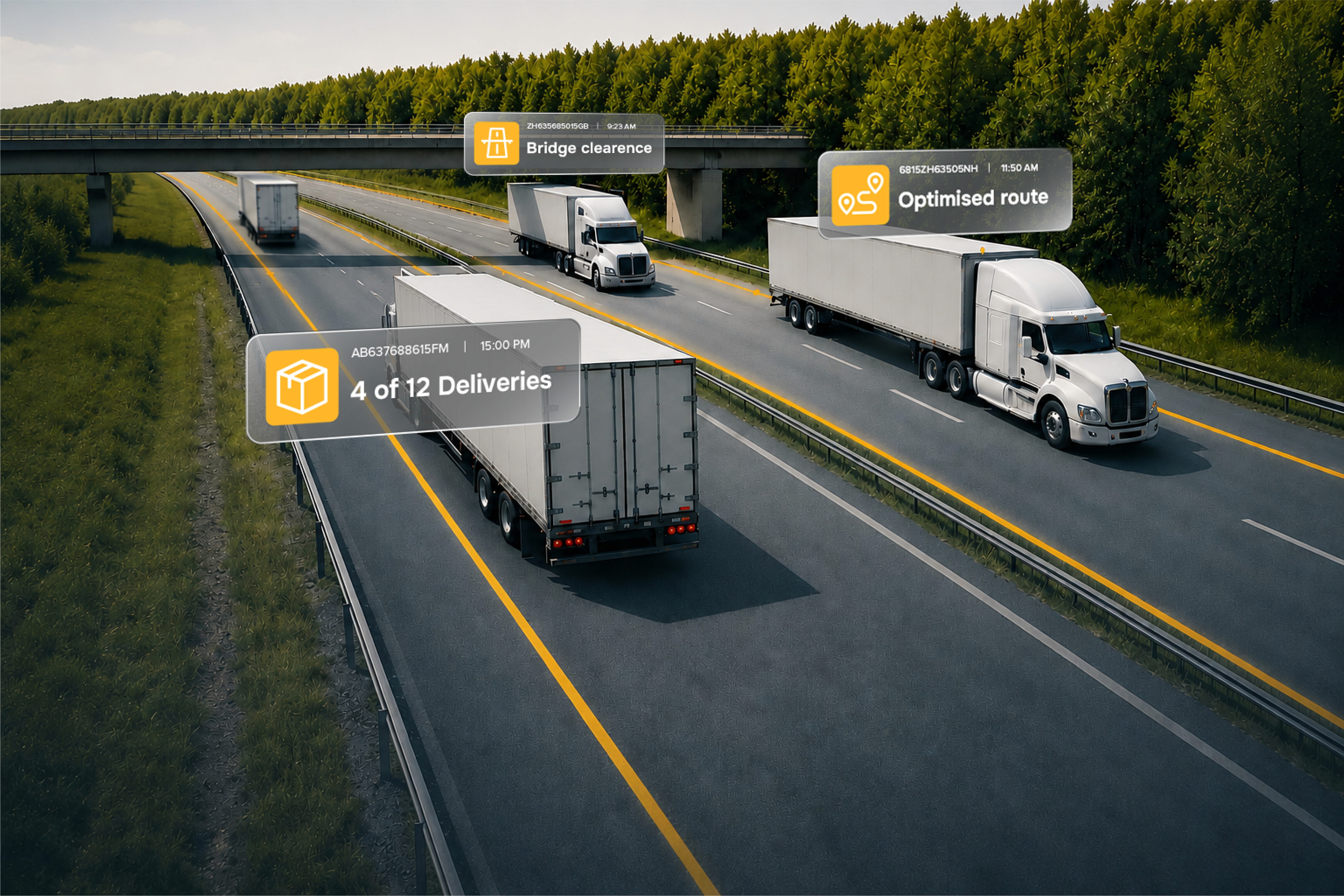
Take Control of Your Last Mile
Discover what Radaro can do for you



"/><stop offset="1" stop-color="rgba(114, 163, 190, 0)"/></linearGradient></defs><g d="M 72 37.3 L 96.4 37.3 C 98.6 37.3 100.4 35.7 100.6 33.5 C 100.8 31.3 101.2 27.1 101.2 22.2 C 101.2 17.3 101 14.4 100.7 12.1 C 100.4 9.8 98.7 8.4 96.5 8.4 L 72 8.4 L 72 37.2 Z M 80 30.3 L 77.3 30.3 L 77.3 4.9 L 80 4.9 Z M 71 5.1 C 71.552 5.1 72 5.548 72 6.1 L 72 37.6 C 72 38.152 71.552 38.6 71 38.6 L 1 38.6 C 0.448 38.6 0 38.152 0 37.6 L 0 6.1 C 0 5.548 0.448 5.1 1 5.1 Z M 97.5 37.1 L 5.2 37.1 L 5.2 27.3 L 100.5 27.3 L 100.5 34.1 C 100.5 35.8 99.2 37.1 97.5 37.1 Z M 79.5 31.7 L 99.4 31.7 C 101.6 31.7 103.4 30.1 103.6 27.9 C 103.8 25.7 104.2 21.5 104.2 16.6 C 104.2 12.1 104 8.8 103.7 6.5 C 103.4 4.2 101.7 2.8 99.5 2.8 L 79.5 2.8 L 79.5 31.6 Z M 88.7 28.2 L 94.3 29.3 L 102 30.8 C 101.3 31.3 100.4 31.7 99.4 31.7 L 79.5 31.7 L 79.5 28.2 Z M 76.4 1.2 C 76.952 1.2 77.4 1.648 77.4 2.2 L 77.4 31.9 C 77.4 32.452 76.952 32.9 76.4 32.9 L 6.4 32.9 C 5.848 32.9 5.4 32.452 5.4 31.9 L 5.4 2.2 C 5.4 1.648 5.848 1.2 6.4 1.2 Z M 76.9 32.7 L 5.7 32.7 L 5.7 31.1 L 76.9 31.1 Z M 76.4 1.2 C 76.952 1.2 77.4 1.648 77.4 2.2 L 77.4 31.9 C 77.4 32.452 76.952 32.9 76.4 32.9 L 6.4 32.9 C 5.848 32.9 5.4 32.452 5.4 31.9 L 5.4 2.2 C 5.4 1.648 5.848 1.2 6.4 1.2 Z M 89.3 5.4 C 89 5.4 88.9 5.7 89 6 C 89.5 7.4 91 11.9 91 17.1 C 91 22.3 89.6 26.5 89 27.9 C 88.4 29.3 89 28.4 89.3 28.5 L 93.9 29.2 C 94.3 29.2 94.7 29 94.8 28.7 C 95.4 27.2 96.9 22.9 96.9 17 C 96.9 11.1 95.4 6.7 94.7 5.2 C 94 3.7 94.2 4.6 93.8 4.7 L 89.2 5.5 Z M 85.7 5.1 L 82.1 5.1 C 81.8 5.1 81.6 4.9 81.6 4.6 L 81.6 4.4 C 81.6 4.1 81.8 3.9 82.1 3.9 L 91.9 3.9 L 86.8 5 C 86.4 5 86.1 5.1 85.7 5.1 Z M 85.6 29.2 L 81.9 29.2 C 81.7 29.2 81.5 29.4 81.5 29.6 L 81.5 30 C 81.5 30.2 81.7 30.4 81.9 30.4 L 91.8 30.4 L 86.7 29.3 C 86.3 29.3 85.9 29.2 85.6 29.2 Z M 104.2 16.9 C 104.2 20 104.1 22.6 103.9 24.8 C 103.2 24.7 102.8 24.1 102.8 23.4 L 102.8 11.1 C 102.8 10.4 103.3 9.8 103.9 9.7 C 104 11.6 104.1 14 104.1 16.9 Z M 99.6 3.3 L 100.2 2.9 C 102 3.2 103.5 4.7 103.7 6.6 L 103.7 7 C 103.4 7.2 103.1 7.1 103 7 C 102.7 6.2 101.8 4.8 99.6 4.1 C 99.3 4.1 99.3 3.6 99.6 3.4 Z M 99.6 31.1 L 100.2 31.5 C 102 31.2 103.5 29.7 103.7 27.8 L 103.7 27.4 C 103.4 27.2 103.1 27.3 103 27.4 C 102.7 28.2 101.8 29.6 99.6 30.3 C 99.3 30.3 99.3 30.8 99.6 31 Z M 89.7 2.8 L 88.4 1 C 88.3 0.8 88.4 0.6 88.5 0.4 L 89.1 0 C 89.5 0 89.9 0.2 90.2 0.6 L 90.6 1.2 C 90.9 1.6 91 2.1 91 2.5 L 91 3.7 L 89.7 3.7 L 89.7 2.7 Z M 89.7 31.4 L 88.4 33.2 C 88.3 33.4 88.4 33.6 88.5 33.8 L 89.1 34.2 C 89.5 34.2 89.9 34 90.2 33.6 L 90.6 33 C 90.9 32.6 91 32.1 91 31.7 L 91 30.5 L 89.7 30.5 L 89.7 31.5 Z" fill="transparent" height="38.599999904632575px" id="LuoQ0xnNj" width="104.20000000000002px"><g d="M 72 37.3 L 96.4 37.3 C 98.6 37.3 100.4 35.7 100.6 33.5 C 100.8 31.3 101.2 27.1 101.2 22.2 C 101.2 17.3 101 14.4 100.7 12.1 C 100.4 9.8 98.7 8.4 96.5 8.4 L 72 8.4 L 72 37.2 Z M 80 30.3 L 77.3 30.3 L 77.3 4.9 L 80 4.9 Z M 71 5.1 C 71.552 5.1 72 5.548 72 6.1 L 72 37.6 C 72 38.152 71.552 38.6 71 38.6 L 1 38.6 C 0.448 38.6 0 38.152 0 37.6 L 0 6.1 C 0 5.548 0.448 5.1 1 5.1 Z M 97.5 37.1 L 5.2 37.1 L 5.2 27.3 L 100.5 27.3 L 100.5 34.1 C 100.5 35.8 99.2 37.1 97.5 37.1 Z M 79.5 31.7 L 99.4 31.7 C 101.6 31.7 103.4 30.1 103.6 27.9 C 103.8 25.7 104.2 21.5 104.2 16.6 C 104.2 12.1 104 8.8 103.7 6.5 C 103.4 4.2 101.7 2.8 99.5 2.8 L 79.5 2.8 L 79.5 31.6 Z M 88.7 28.2 L 94.3 29.3 L 102 30.8 C 101.3 31.3 100.4 31.7 99.4 31.7 L 79.5 31.7 L 79.5 28.2 Z M 76.4 1.2 C 76.952 1.2 77.4 1.648 77.4 2.2 L 77.4 31.9 C 77.4 32.452 76.952 32.9 76.4 32.9 L 6.4 32.9 C 5.848 32.9 5.4 32.452 5.4 31.9 L 5.4 2.2 C 5.4 1.648 5.848 1.2 6.4 1.2 Z M 76.9 32.7 L 5.7 32.7 L 5.7 31.1 L 76.9 31.1 Z M 76.4 1.2 C 76.952 1.2 77.4 1.648 77.4 2.2 L 77.4 31.9 C 77.4 32.452 76.952 32.9 76.4 32.9 L 6.4 32.9 C 5.848 32.9 5.4 32.452 5.4 31.9 L 5.4 2.2 C 5.4 1.648 5.848 1.2 6.4 1.2 Z M 89.3 5.4 C 89 5.4 88.9 5.7 89 6 C 89.5 7.4 91 11.9 91 17.1 C 91 22.3 89.6 26.5 89 27.9 C 88.4 29.3 89 28.4 89.3 28.5 L 93.9 29.2 C 94.3 29.2 94.7 29 94.8 28.7 C 95.4 27.2 96.9 22.9 96.9 17 C 96.9 11.1 95.4 6.7 94.7 5.2 C 94 3.7 94.2 4.6 93.8 4.7 L 89.2 5.5 Z M 85.7 5.1 L 82.1 5.1 C 81.8 5.1 81.6 4.9 81.6 4.6 L 81.6 4.4 C 81.6 4.1 81.8 3.9 82.1 3.9 L 91.9 3.9 L 86.8 5 C 86.4 5 86.1 5.1 85.7 5.1 Z M 85.6 29.2 L 81.9 29.2 C 81.7 29.2 81.5 29.4 81.5 29.6 L 81.5 30 C 81.5 30.2 81.7 30.4 81.9 30.4 L 91.8 30.4 L 86.7 29.3 C 86.3 29.3 85.9 29.2 85.6 29.2 Z M 104.2 16.9 C 104.2 20 104.1 22.6 103.9 24.8 C 103.2 24.7 102.8 24.1 102.8 23.4 L 102.8 11.1 C 102.8 10.4 103.3 9.8 103.9 9.7 C 104 11.6 104.1 14 104.1 16.9 Z M 99.6 3.3 L 100.2 2.9 C 102 3.2 103.5 4.7 103.7 6.6 L 103.7 7 C 103.4 7.2 103.1 7.1 103 7 C 102.7 6.2 101.8 4.8 99.6 4.1 C 99.3 4.1 99.3 3.6 99.6 3.4 Z M 99.6 31.1 L 100.2 31.5 C 102 31.2 103.5 29.7 103.7 27.8 L 103.7 27.4 C 103.4 27.2 103.1 27.3 103 27.4 C 102.7 28.2 101.8 29.6 99.6 30.3 C 99.3 30.3 99.3 30.8 99.6 31 Z M 89.7 2.8 L 88.4 1 C 88.3 0.8 88.4 0.6 88.5 0.4 L 89.1 0 C 89.5 0 89.9 0.2 90.2 0.6 L 90.6 1.2 C 90.9 1.6 91 2.1 91 2.5 L 91 3.7 L 89.7 3.7 L 89.7 2.7 Z M 89.7 31.4 L 88.4 33.2 C 88.3 33.4 88.4 33.6 88.5 33.8 L 89.1 34.2 C 89.5 34.2 89.9 34 90.2 33.6 L 90.6 33 C 90.9 32.6 91 32.1 91 31.7 L 91 30.5 L 89.7 30.5 L 89.7 31.5 Z" fill="transparent" height="38.599999904632575px" id="zezgG8Y1q" width="104.20000000000002px"><g opacity="0.4"><path d="M 0 28.9 L 24.4 28.9 C 26.6 28.9 28.4 27.3 28.6 25.1 C 28.8 22.9 29.2 18.7 29.2 13.8 C 29.2 8.9 29 6 28.7 3.7 C 28.4 1.4 26.7 0 24.5 0 L 0 0 L 0 28.8 Z" fill="rgb(215, 227, 232)" height="28.900000000000006px" id="m6px2y2al" transform="translate(72 8.4)" width="29.19999999999999px"/></g><path d="M 2.7 25.4 L 0 25.4 L 0 0 L 2.7 0 Z" fill="rgb(7, 64, 89)" height="25.4px" id="cyMhIGwIO" transform="translate(77.3 4.9)" width="2.700000000000017px"/><g opacity="0.4"><path d="M 71 0 C 71.552 0 72 0.448 72 1 L 72 32.5 C 72 33.052 71.552 33.5 71 33.5 L 1 33.5 C 0.448 33.5 0 33.052 0 32.5 L 0 1 C 0 0.448 0.448 0 1 0 Z" fill="rgb(215, 227, 232)" height="33.50000000000001px" id="V9wSu3WkR" transform="translate(0 5.1)" width="72px"/></g><g opacity="0.8"><path d="M 92.3 9.8 L 0 9.8 L 0 0 L 95.3 0 L 95.3 6.8 C 95.3 8.5 94 9.8 92.3 9.8 Z" fill="url(%23NPpo5c7u7-389490388-linear-gradient)" height="9.800000000000011px" id="NPpo5c7u7" transform="translate(5.2 27.3)" width="95.29999999999998px"/></g><path d="M 0 28.9 L 19.9 28.9 C 22.1 28.9 23.9 27.3 24.1 25.1 C 24.3 22.9 24.7 18.7 24.7 13.8 C 24.7 9.3 24.5 6 24.2 3.7 C 23.9 1.4 22.2 0 20 0 L 0 0 L 0 28.8 Z" fill="rgb(215, 227, 232)" height="28.9px" id="QiYhvoPI2" transform="translate(79.5 2.8)" width="24.700000000000017px"/><g opacity="0.4"><path d="M 9.2 0 L 14.8 1.1 L 22.5 2.6 C 21.8 3.1 20.9 3.5 19.9 3.5 L 0 3.5 L 0 0 Z" fill="rgb(114, 163, 190)" height="3.5px" id="iw09x_5cV" transform="translate(79.5 28.2)" width="22.5px"/></g><path d="M 71 0 C 71.552 0 72 0.448 72 1 L 72 30.7 C 72 31.252 71.552 31.7 71 31.7 L 1 31.7 C 0.448 31.7 0 31.252 0 30.7 L 0 1 C 0 0.448 0.448 0 1 0 Z" fill="rgb(249, 250, 252)" height="31.70000000000001px" id="enHG0Xv5x" transform="translate(5.4 1.2)" width="71.99999999999999px"/><g opacity="0.4"><path d="M 71.2 1.6 L 0 1.6 L 0 0 L 71.2 0 Z" fill="rgb(114, 163, 190)" height="1.6000000000000156px" id="nNlyDyI8O" transform="translate(5.7 31.1)" width="71.20000000000002px"/></g><path d="M 71 0 C 71.552 0 72 0.448 72 1 L 72 30.7 C 72 31.252 71.552 31.7 71 31.7 L 1 31.7 C 0.448 31.7 0 31.252 0 30.7 L 0 1 C 0 0.448 0.448 0 1 0 Z" fill="transparent" height="31.70000000000001px" id="fXaCrMspo" stroke-dasharray="" stroke-linecap="butt" stroke-linejoin="miter" stroke-miterlimit="10" stroke-width="1" stroke="rgb(215, 227, 232)" transform="translate(5.4 1.2)" width="71.99999999999999px"/><path d="M 7.8 1.5 C 7.5 1.5 7.4 1.8 7.5 2.1 C 8 3.5 9.5 8 9.5 13.2 C 9.5 18.4 8.1 22.6 7.5 24 C 6.9 25.4 7.5 24.5 7.8 24.6 L 12.4 25.3 C 12.8 25.3 13.2 25.1 13.3 24.8 C 13.9 23.3 15.4 19 15.4 13.1 C 15.4 7.2 13.9 2.8 13.2 1.3 C 12.5 -0.2 12.7 0.7 12.3 0.8 L 7.7 1.6 Z M 4.2 1.2 L 0.6 1.2 C 0.3 1.2 0.1 1 0.1 0.7 L 0.1 0.5 C 0.1 0.2 0.3 0 0.6 0 L 10.4 0 L 5.3 1.1 C 4.9 1.1 4.6 1.2 4.2 1.2 Z M 4.1 25.3 L 0.4 25.3 C 0.2 25.3 0 25.5 0 25.7 L 0 26.1 C 0 26.3 0.2 26.5 0.4 26.5 L 10.3 26.5 L 5.2 25.4 C 4.8 25.4 4.4 25.3 4.1 25.3 Z M 22.7 13 C 22.7 16.1 22.6 18.7 22.4 20.9 C 21.7 20.8 21.3 20.2 21.3 19.5 L 21.3 7.2 C 21.3 6.5 21.8 5.9 22.4 5.8 C 22.5 7.7 22.6 10.1 22.6 13 Z" fill="rgb(7, 64, 89)" height="26.499999237060543px" id="zg2puoduN" transform="translate(81.5 3.9)" width="22.699999237060524px"/><path d="M 0.225 0.4 L 0.825 0 C 2.625 0.3 4.125 1.8 4.325 3.7 L 4.325 4.1 C 4.025 4.3 3.725 4.2 3.625 4.1 C 3.325 3.3 2.425 1.9 0.225 1.2 C -0.075 1.2 -0.075 0.7 0.225 0.5 Z M 0.225 28.2 L 0.825 28.6 C 2.625 28.3 4.125 26.8 4.325 24.9 L 4.325 24.5 C 4.025 24.3 3.725 24.4 3.625 24.5 C 3.325 25.3 2.425 26.7 0.225 27.4 C -0.075 27.4 -0.075 27.9 0.225 28.1 Z" fill="rgb(255, 184, 41)" height="28.599999167607464px" id="yJQ3TgwJ6" transform="translate(99.375 2.9)" width="4.325000000000017px"/><path d="M 1.341 2.8 L 0.041 1 C -0.059 0.8 0.041 0.6 0.141 0.4 L 0.741 0 C 1.141 0 1.541 0.2 1.841 0.6 L 2.241 1.2 C 2.541 1.6 2.641 2.1 2.641 2.5 L 2.641 3.7 L 1.341 3.7 L 1.341 2.7 Z M 1.341 31.4 L 0.041 33.2 C -0.059 33.4 0.041 33.6 0.141 33.8 L 0.741 34.2 C 1.141 34.2 1.541 34 1.841 33.6 L 2.241 33 C 2.541 32.6 2.641 32.1 2.641 31.7 L 2.641 30.5 L 1.341 30.5 L 1.341 31.5 Z" fill="rgb(7, 64, 89)" height="34.2px" id="QzqBzedlz" transform="translate(88.359 0)" width="2.6414213562373448px"/></g></g></svg>)

Radaro is the intelligent delivery management platform built for complex, real-world supply chains.
Deliver Better At Every Mile.
Company
Radaro © 2026. All rights reserved.
Take Control of Your Last Mile
Discover what Radaro can do for you
Radaro is the intelligent delivery management platform built for complex, real-world supply chains.
Deliver Better At Every Mile.
Company
Radaro © 2026. All rights reserved.
Take Control of Your Last Mile
Discover what Radaro can do for you
Radaro is the intelligent delivery management platform built for complex, real-world supply chains.
Deliver Better At Every Mile.
Radaro © 2026. All rights reserved.
Take Control of Your Last Mile
Discover what Radaro can do for you
Radaro is the intelligent delivery management platform built for complex, real-world supply chains.
Deliver Better At Every Mile.
Company
Radaro © 2026. All rights reserved.
