Leader's Digest
Predictive Proof-of-Delivery: Why the WISMO Call is Becoming Obsolete
Published: Jan 31, 2024
5 Min Read
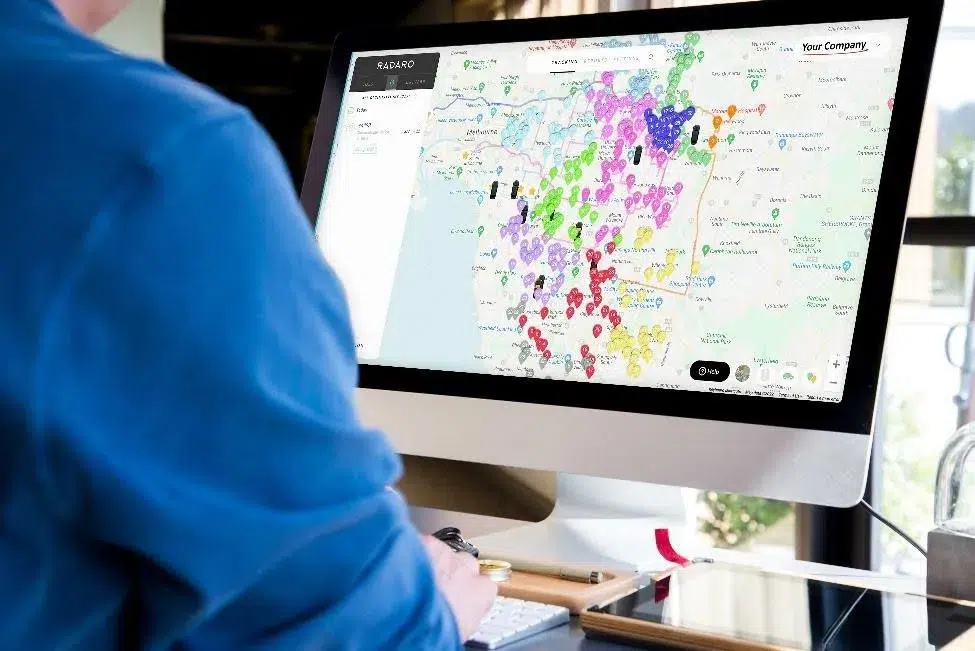
For decades, the most dreaded acronym in customer service and logistics has been WISMO “Where Is My Order?” (or its retail cousin, WISMD, “Where Is My Delivery?”).
Historically, when a customer made a WISMO enquiry, it triggered a chaotic, multi-step game of telephone across teams. The customer support team had to call the dispatch team, who then had to call or message the delivery driver, who was frequently forced to check their paperwork on the side of the road. By the time an answer filtered back, the customer experience had already soured, operational costs had spiked, and delivery momentum was lost.
As we move through 2026, the modern supply chain is leaving reactive tracking behind. According to Richie Gunasekara, Head of Customer at Radaro, shifting away from this legacy friction requires a foundational transition from reactive data tracking to predictive orchestration.
By implementing Predictive Proof-of-Delivery (PPoD), enterprise brands are no longer just documenting where a package ended up; they are predicting exactly when it will arrive. Here is why the manual WISMO call is becoming obsolete and how predictive logic is rewriting the rules of the last mile.
The Core Difference: Reactive vs. Predictive Routing
To understand why the traditional WISMO call is disappearing, it helps to look at the evolution of last-mile visibility.
Tracking metric | Reactive last-mile (Legacy) | Predictive last-mile (Modern) |
|---|---|---|
Data type | Static / point-in-time | Dynamic / algorithmic |
Customer visibility | “Out for delivery” (8-hour window) | Live ETA updates with a 10-minute precision window |
Driver communication | Manual text check-ins / phone calls | Live, automated geolocation pinging |
Problem resolution | Post-incident customer escalation | Pre-incident algorithmic ETA adjustment |
Legacy tracking systems rely heavily on milestone scanning (e.g., Left Warehouse, Arrived at Hub). The problem is that a parcel marked “Out for Delivery” at 7:00 AM leaves a big — and often anxiety-inducing — 8-hour blind spot for the recipient, forcing them to be available all day with little certainty about when the delivery will arrive.
Predictive Proof-of-Delivery replaces these vast time windows with live, rolling calculations. By utilising live traffic patterns, historical driver drop times, and continuous GPS positioning, the system updates the customer’s ETA dynamically throughout the day. If Driver A gets delayed by urban congestion at drop number three, drops four through twenty automatically recalculate, sending a revised notification to the waiting recipients before they ever feel the need to pick up the phone.
Evolving From 5-Star Rating to Live Customer Feedback Loops
True predictive last-mile software turns the delivery moment into an asset for customer engagement. When a driver completes a delivery using a platform like Radaro, the tracking screen instantly transitions into an integrated, interactive touchpoint.
"
“Rather than ending the experience at delivery confirmation, the platform immediately prompts customers to share feedback while the interaction is still fresh, customers are then sent a follow-up SMS, creating a simple but highly effective feedback loop that significantly increases review participation.”
Richie Gunasekara
Head of Customer, Radaro
"/><stop offset="1" stop-color="rgba(215, 227, 232, 0)"/></linearGradient><linearGradient id="X0jCgq_AQ-257598575-linear-gradient" x1="1" x2="0" y1="0.4974874371859296" y2="0.5025125628140704"><stop offset="0" stop-color="rgb(215, 227, 232)"/><stop offset="1" stop-color="rgba(215, 227, 232, 0)"/></linearGradient><linearGradient id="e5UVPpbLZ-257598575-linear-gradient" x1="0.49748743718592964" x2="0.5025125628140703" y1="1" y2="0"><stop offset="0" stop-color="rgb(215, 227, 232)"/><stop offset="1" stop-color="rgba(215, 227, 232, 0)"/></linearGradient><linearGradient id="qpaXf3X4T-257598575-linear-gradient" x1="0.49748743718592964" x2="0.5025125628140703" y1="1" y2="0"><stop offset="0" stop-color="rgb(215, 227, 232)"/><stop offset="1" stop-color="rgba(215, 227, 232, 0)"/></linearGradient><linearGradient id="mwUoN7D6c-257598575-linear-gradient" x1="0.49748743718592964" x2="0.5025125628140703" y1="1" y2="0"><stop offset="0" stop-color="rgb(215, 227, 232)"/><stop offset="1" stop-color="rgba(215, 227, 232, 0)"/></linearGradient></defs><g d="M 238.62 426.652 L 238.62 417.652 L 771 417.652 L 771 426.652 Z M 0 426.726 L 0 417.652 L 238.62 417.652 L 238.62 426.726 Z M 372.17 301.424 L 372.17 292.424 L 770.454 292.424 L 770.454 301.424 Z M 102.574 301.499 L 102.574 292.424 L 372.17 292.424 L 372.17 301.499 Z M 377.398 611.369 L 368.312 611.369 L 368.312 255.218 C 368.312 244.329 377.171 235.369 388.188 235.369 L 770.834 235.369 L 770.834 244.442 L 388.188 244.442 C 382.282 244.442 377.398 249.206 377.398 255.218 Z M 575.048 420.374 L 575.048 298.323 L 579.586 298.323 L 579.586 420.374 Z M 509.464 420.374 L 509.464 241.154 L 514.003 241.154 L 514.003 420.374 Z M 652.205 178.54 L 652.205 0 L 661.282 0 L 661.282 178.54 Z M 652.205 613.54 L 652.205 178.54 L 661.211 178.54 L 661.211 613.54 Z M 442.179 486.74 L 442.179 481.74 L 770.413 481.74 L 770.413 486.74 Z M 202.991 612.072 L 193.914 612.072 L 193.914 531.423 C 193.914 522.802 200.835 515.883 209.459 515.883 L 226.706 515.883 C 230.223 515.883 233.173 512.933 233.173 509.417 L 233.173 298.323 L 242.251 298.323 L 242.251 509.417 C 242.251 518.038 235.329 524.957 226.706 524.957 L 209.459 524.957 C 205.941 524.957 202.991 527.906 202.991 531.423 Z M 719.377 420.374 L 719.377 298.323 L 723.916 298.323 L 723.916 420.374 Z M 719.377 614 L 719.377 419.693 L 723.916 419.693 L 723.916 614 Z M 577.998 612.639 L 577.998 481.74 L 582.536 481.74 L 582.536 612.639 Z M 401.784 236.957 L 401.784 85.3 L 410.862 85.3 L 410.862 236.957 Z M 573.686 236.957 L 573.686 79.515 L 578.225 79.515 L 578.225 236.957 Z M 576.296 180.808 L 576.296 176.271 L 770.55 176.271 L 770.55 180.808 Z" fill="transparent" height="614px" id="H2elHzQR_" transform="translate(0 0.3)" width="771.0000011147511px"><path d="M 0 9 L 0 0 L 532.38 0 L 532.38 9 Z" fill="rgb(215, 227, 232)" height="9px" id="sto4klNZM" transform="translate(238.62 417.652)" width="532.3801891030323px"/><path d="M 0 9.074 L 0 0 L 238.62 0 L 238.62 9.074 Z" fill="url(%23WGIviRTP8-257598575-linear-gradient)" height="9.074450492281244px" id="WGIviRTP8" transform="translate(0 417.652)" width="238.61981484615444px"/><path d="M 0 9 L 0 0 L 398.284 0 L 398.284 9 Z" fill="rgb(215, 227, 232)" height="9px" id="jVCU21LMU" transform="translate(372.17 292.424)" width="398.28442718610313px"/><path d="M 0 9.074 L 0 0 L 269.596 0 L 269.596 9.074 Z" fill="url(%23X0jCgq_AQ-257598575-linear-gradient)" height="9.0744504922813px" id="X0jCgq_AQ" transform="translate(102.574 292.424)" width="269.59613888467106px"/><path d="M 9.086 376 L 0 376 L 0 19.849 C 0 8.96 8.859 0 19.876 0 L 402.522 0 L 402.522 9.074 L 19.876 9.074 C 13.97 9.074 9.086 13.838 9.086 19.849 Z" fill="rgb(215, 227, 232)" height="376px" id="ulJYeGfeE" transform="translate(368.312 235.369)" width="402.52207620877175px"/><path d="M 0 122.051 L 0 0 L 4.539 0 L 4.539 122.051 Z" fill="rgb(215, 227, 232)" height="122.05135912118288px" id="bunaBbou6" transform="translate(575.048 298.323)" width="4.538655536780425px"/><path d="M 0 179.22 L 0 0 L 4.539 0 L 4.539 179.22 Z" fill="rgb(215, 227, 232)" height="179.2203972225547px" id="L1nngDdPh" transform="translate(509.464 241.154)" width="4.538655536779061px"/><path d="M 0 178.54 L 0 0 L 9.077 0 L 9.077 178.54 Z" fill="url(%23e5UVPpbLZ-257598575-linear-gradient)" height="178.53981343563356px" id="e5UVPpbLZ" transform="translate(652.205 0)" width="9.077311073557212px"/><path d="M 0 435 L 0 0 L 9.006 0 L 9.006 435 Z" fill="rgb(215, 227, 232)" height="435px" id="fVa88jgU0" transform="translate(652.205 178.54)" width="9.006431770540075px"/><path d="M 0 5 L 0 0 L 328.234 0 L 328.234 5 Z" fill="rgb(215, 227, 232)" height="5px" id="NMxSHfkMH" transform="translate(442.179 481.74)" width="328.23440230412507px"/><path d="M 9.077 313.749 L 0 313.749 L 0 233.1 C 0 224.479 6.921 217.56 15.545 217.56 L 32.792 217.56 C 36.309 217.56 39.259 214.611 39.259 211.094 L 39.259 0 L 48.337 0 L 48.337 211.094 C 48.337 219.715 41.415 226.634 32.792 226.634 L 15.545 226.634 C 12.027 226.634 9.077 229.584 9.077 233.1 Z" fill="rgb(215, 227, 232)" height="313.74912577062423px" id="IdeoeiyVT" transform="translate(193.914 298.323)" width="48.336681466695836px"/><path d="M 0 122.051 L 0 0 L 4.539 0 L 4.539 122.051 Z" fill="rgb(215, 227, 232)" height="122.05135912118288px" id="uNLZwVRXm" transform="translate(719.377 298.323)" width="4.538655536779061px"/><path d="M 0 194.307 L 0 0 L 4.539 0 L 4.539 194.307 Z" fill="rgb(215, 227, 232)" height="194.30667114257812px" id="A6xpYAxWb" transform="translate(719.377 419.693)" width="4.538655536779061px"/><path d="M 0 130.899 L 0 0 L 4.539 0 L 4.539 130.899 Z" fill="rgb(215, 227, 232)" height="130.89894835115717px" id="clLSx0xmR" transform="translate(577.998 481.74)" width="4.538655536779515px"/><path d="M 0 151.657 L 0 0 L 9.077 0 L 9.077 151.657 Z" fill="url(%23qpaXf3X4T-257598575-linear-gradient)" height="151.65675385225035px" id="qpaXf3X4T" transform="translate(401.784 85.3)" width="9.077311073558121px"/><path d="M 0 157.442 L 0 0 L 4.539 0 L 4.539 157.442 Z" fill="url(%23mwUoN7D6c-257598575-linear-gradient)" height="157.44171604107964px" id="mwUoN7D6c" transform="translate(573.686 79.515)" width="4.538655536779061px"/><path d="M 0 4.537 L 0 0 L 194.254 0 L 194.254 4.537 Z" fill="rgb(215, 227, 232)" height="4.537225246140622px" id="X57iU0i3z" transform="translate(576.296 176.271)" width="194.25445697413943px"/></g></svg>)
This immediacy yields massive data rewards for enterprise operations. Instead of sending an email survey three days later—when the customer has forgotten the details—capturing sentiment at the point of delivery yields response rates that are drastically higher than industry averages. More importantly, it catches delivery anomalies immediately, allowing customer service teams to resolve issues before they spiral into a brand-damaging public review.
Package Delivered ➔ Instant Smart UI Rollover ➔ 5-Star Rating Screen ➔ Automated Follow-Up SMS
Resolving the Multi-Site Operational Nightmare
While B2C retail customers expect hyper-accurate tracking windows, B2B and multi-site industrial distribution operations face an even higher level of logistical complexity. In a B2B setting, a failed delivery doesn’t just mean a disappointed shopper; it can mean an entire commercial job site grinding to a halt because a structural element or specialised tool didn’t arrive on time.
In industrial ecosystems, managing the last mile means bridging the gap between legacy dispatch workflows and modern digital expectations. Gunasekara notes that successful deployment across complex networks hinges heavily on a careful balance of software logic and on-the-ground execution:
"
“Last mile is an extremely complicated operational workflow, particularly in multi-site industrial enterprises. Our business has a saying that 50% of success is strategy, 50% is change management.”
Richie Gunasekara
Head of Customer, Radaro
By implementing centralised, predictive dashboards, multi-site enterprises get absolute visibility over their distributed fleets. If an order is delayed or a dispute arises regarding whether a truck arrived within a specific delivery window, dispatchers can view automated, geo-fenced timestamps that definitively verify exactly when a vehicle entered and exited a job site.
Weaponizing Failed Delivery Data for Root-Cause Intelligence
Predictive platforms do more than just lower inbound call volume; they also collect the data necessary to solve recurring logistical problems.
Consider the issue of failed deliveries. Traditionally, when a driver returns to a warehouse with an undelivered item, it is chalked up to a generic “Customer Not Home” excuse. However, deep-dive data capture reveals a more nuanced story. Across enterprise pilots, analytics teams are often surprised to discover the precise operational trends behind failed drop-offs. For example, a notable percentage of failed deliveries occur simply because the customer lacked real-time confirmation of the truck’s proximity, meaning they stepped away right when the driver arrived.
By utilising predictive SMS alerts—such as a “Your driver is 15 minutes away” text containing a live tracking map—enterprises give customers the exact window of visibility they need to be ready. This single adjustment directly optimises Delivery In Full, On Time (DIFOT) metrics, reducing reverse logistics costs and saving valuable driver hours.
A Practical Action Plan to Eliminate WISMO Across Your Fleet
If your customer support desk is still overwhelmed by delivery status inquiries, transitioning to a predictive model requires a structured operational approach:
Map Your Current Outbound Friction: Document every step a customer care agent must currently take to locate an active delivery vehicle. Identifying these manual touchpoints reveals exactly where your operational leaks are.
Appoint a Project Champion: Digital transformation in logistics fails without internal ownership. Designate a dedicated leader to manage change control and drive driver adoption of new software workflows.
Automate the Customer Notification Layer: Take the tracking burden off your team by turning on automated, text-based customer alerts triggered directly by driver geolocation data.
Transition to Digital Proof-of-Delivery (PoD): Eliminate manual driver notes. Ensure sign-offs, photo captures, and gate codes are stored within a single, searchable digital ledger linked directly to your order profiles.
The Strategic Bottom Line
As supply chain networks scale, relying on manual communication to track inventory in motion is a massive operational liability.
By investing in predictive delivery logic, enterprise fleets aren’t merely upgrading their dispatch capabilities—they are removing customer friction before it ever manifests. When customers can see their delivery approaching in real time on a live map, the need for a WISMO call completely vanishes, leaving your team free to focus on driving business growth.
For decades, the most dreaded acronym in customer service and logistics has been WISMO “Where Is My Order?” (or its retail cousin, WISMD, “Where Is My Delivery?”).
Historically, when a customer made a WISMO enquiry, it triggered a chaotic, multi-step game of telephone across teams. The customer support team had to call the dispatch team, who then had to call or message the delivery driver, who was frequently forced to check their paperwork on the side of the road. By the time an answer filtered back, the customer experience had already soured, operational costs had spiked, and delivery momentum was lost.
As we move through 2026, the modern supply chain is leaving reactive tracking behind. According to Richie Gunasekara, Head of Customer at Radaro, shifting away from this legacy friction requires a foundational transition from reactive data tracking to predictive orchestration.
By implementing Predictive Proof-of-Delivery (PPoD), enterprise brands are no longer just documenting where a package ended up; they are predicting exactly when it will arrive. Here is why the manual WISMO call is becoming obsolete and how predictive logic is rewriting the rules of the last mile.
The Core Difference: Reactive vs. Predictive Routing
To understand why the traditional WISMO call is disappearing, it helps to look at the evolution of last-mile visibility.
Tracking metric | Reactive last-mile (Legacy) | Predictive last-mile (Modern) |
|---|---|---|
Data type | Static / point-in-time | Dynamic / algorithmic |
Customer visibility | “Out for delivery” (8-hour window) | Live ETA updates with a 10-minute precision window |
Driver communication | Manual text check-ins / phone calls | Live, automated geolocation pinging |
Problem resolution | Post-incident customer escalation | Pre-incident algorithmic ETA adjustment |
Legacy tracking systems rely heavily on milestone scanning (e.g., Left Warehouse, Arrived at Hub). The problem is that a parcel marked “Out for Delivery” at 7:00 AM leaves a big — and often anxiety-inducing — 8-hour blind spot for the recipient, forcing them to be available all day with little certainty about when the delivery will arrive.
Predictive Proof-of-Delivery replaces these vast time windows with live, rolling calculations. By utilising live traffic patterns, historical driver drop times, and continuous GPS positioning, the system updates the customer’s ETA dynamically throughout the day. If Driver A gets delayed by urban congestion at drop number three, drops four through twenty automatically recalculate, sending a revised notification to the waiting recipients before they ever feel the need to pick up the phone.
Evolving From 5-Star Rating to Live Customer Feedback Loops
True predictive last-mile software turns the delivery moment into an asset for customer engagement. When a driver completes a delivery using a platform like Radaro, the tracking screen instantly transitions into an integrated, interactive touchpoint.
"
“Rather than ending the experience at delivery confirmation, the platform immediately prompts customers to share feedback while the interaction is still fresh, customers are then sent a follow-up SMS, creating a simple but highly effective feedback loop that significantly increases review participation.”
Richie Gunasekara
Head of Customer, Radaro
This immediacy yields massive data rewards for enterprise operations. Instead of sending an email survey three days later—when the customer has forgotten the details—capturing sentiment at the point of delivery yields response rates that are drastically higher than industry averages. More importantly, it catches delivery anomalies immediately, allowing customer service teams to resolve issues before they spiral into a brand-damaging public review.
Package Delivered ➔ Instant Smart UI Rollover ➔ 5-Star Rating Screen ➔ Automated Follow-Up SMS
Resolving the Multi-Site Operational Nightmare
While B2C retail customers expect hyper-accurate tracking windows, B2B and multi-site industrial distribution operations face an even higher level of logistical complexity. In a B2B setting, a failed delivery doesn’t just mean a disappointed shopper; it can mean an entire commercial job site grinding to a halt because a structural element or specialised tool didn’t arrive on time.
In industrial ecosystems, managing the last mile means bridging the gap between legacy dispatch workflows and modern digital expectations. Gunasekara notes that successful deployment across complex networks hinges heavily on a careful balance of software logic and on-the-ground execution:
"
“Last mile is an extremely complicated operational workflow, particularly in multi-site industrial enterprises. Our business has a saying that 50% of success is strategy, 50% is change management.”
Richie Gunasekara
Head of Customer, Radaro
By implementing centralised, predictive dashboards, multi-site enterprises get absolute visibility over their distributed fleets. If an order is delayed or a dispute arises regarding whether a truck arrived within a specific delivery window, dispatchers can view automated, geo-fenced timestamps that definitively verify exactly when a vehicle entered and exited a job site.
Weaponizing Failed Delivery Data for Root-Cause Intelligence
Predictive platforms do more than just lower inbound call volume; they also collect the data necessary to solve recurring logistical problems.
Consider the issue of failed deliveries. Traditionally, when a driver returns to a warehouse with an undelivered item, it is chalked up to a generic “Customer Not Home” excuse. However, deep-dive data capture reveals a more nuanced story. Across enterprise pilots, analytics teams are often surprised to discover the precise operational trends behind failed drop-offs. For example, a notable percentage of failed deliveries occur simply because the customer lacked real-time confirmation of the truck’s proximity, meaning they stepped away right when the driver arrived.
By utilising predictive SMS alerts—such as a “Your driver is 15 minutes away” text containing a live tracking map—enterprises give customers the exact window of visibility they need to be ready. This single adjustment directly optimises Delivery In Full, On Time (DIFOT) metrics, reducing reverse logistics costs and saving valuable driver hours.
A Practical Action Plan to Eliminate WISMO Across Your Fleet
If your customer support desk is still overwhelmed by delivery status inquiries, transitioning to a predictive model requires a structured operational approach:
Map Your Current Outbound Friction: Document every step a customer care agent must currently take to locate an active delivery vehicle. Identifying these manual touchpoints reveals exactly where your operational leaks are.
Appoint a Project Champion: Digital transformation in logistics fails without internal ownership. Designate a dedicated leader to manage change control and drive driver adoption of new software workflows.
Automate the Customer Notification Layer: Take the tracking burden off your team by turning on automated, text-based customer alerts triggered directly by driver geolocation data.
Transition to Digital Proof-of-Delivery (PoD): Eliminate manual driver notes. Ensure sign-offs, photo captures, and gate codes are stored within a single, searchable digital ledger linked directly to your order profiles.
The Strategic Bottom Line
As supply chain networks scale, relying on manual communication to track inventory in motion is a massive operational liability.
By investing in predictive delivery logic, enterprise fleets aren’t merely upgrading their dispatch capabilities—they are removing customer friction before it ever manifests. When customers can see their delivery approaching in real time on a live map, the need for a WISMO call completely vanishes, leaving your team free to focus on driving business growth.
Subscribe to our Newsletter


Get Started with Radaro
Last mile delivery software designed for complex, real-world logistics.


For decades, the most dreaded acronym in customer service and logistics has been WISMO “Where Is My Order?” (or its retail cousin, WISMD, “Where Is My Delivery?”).
Historically, when a customer made a WISMO enquiry, it triggered a chaotic, multi-step game of telephone across teams. The customer support team had to call the dispatch team, who then had to call or message the delivery driver, who was frequently forced to check their paperwork on the side of the road. By the time an answer filtered back, the customer experience had already soured, operational costs had spiked, and delivery momentum was lost.
As we move through 2026, the modern supply chain is leaving reactive tracking behind. According to Richie Gunasekara, Head of Customer at Radaro, shifting away from this legacy friction requires a foundational transition from reactive data tracking to predictive orchestration.
By implementing Predictive Proof-of-Delivery (PPoD), enterprise brands are no longer just documenting where a package ended up; they are predicting exactly when it will arrive. Here is why the manual WISMO call is becoming obsolete and how predictive logic is rewriting the rules of the last mile.
The Core Difference: Reactive vs. Predictive Routing
To understand why the traditional WISMO call is disappearing, it helps to look at the evolution of last-mile visibility.
Tracking metric | Reactive last-mile (Legacy) | Predictive last-mile (Modern) |
|---|---|---|
Data type | Static / point-in-time | Dynamic / algorithmic |
Customer visibility | “Out for delivery” (8-hour window) | Live ETA updates with a 10-minute precision window |
Driver communication | Manual text check-ins / phone calls | Live, automated geolocation pinging |
Problem resolution | Post-incident customer escalation | Pre-incident algorithmic ETA adjustment |
Legacy tracking systems rely heavily on milestone scanning (e.g., Left Warehouse, Arrived at Hub). The problem is that a parcel marked “Out for Delivery” at 7:00 AM leaves a big — and often anxiety-inducing — 8-hour blind spot for the recipient, forcing them to be available all day with little certainty about when the delivery will arrive.
Predictive Proof-of-Delivery replaces these vast time windows with live, rolling calculations. By utilising live traffic patterns, historical driver drop times, and continuous GPS positioning, the system updates the customer’s ETA dynamically throughout the day. If Driver A gets delayed by urban congestion at drop number three, drops four through twenty automatically recalculate, sending a revised notification to the waiting recipients before they ever feel the need to pick up the phone.
Evolving From 5-Star Rating to Live Customer Feedback Loops
True predictive last-mile software turns the delivery moment into an asset for customer engagement. When a driver completes a delivery using a platform like Radaro, the tracking screen instantly transitions into an integrated, interactive touchpoint.
"
“Rather than ending the experience at delivery confirmation, the platform immediately prompts customers to share feedback while the interaction is still fresh, customers are then sent a follow-up SMS, creating a simple but highly effective feedback loop that significantly increases review participation.”
Richie Gunasekara
Head of Customer, Radaro
This immediacy yields massive data rewards for enterprise operations. Instead of sending an email survey three days later—when the customer has forgotten the details—capturing sentiment at the point of delivery yields response rates that are drastically higher than industry averages. More importantly, it catches delivery anomalies immediately, allowing customer service teams to resolve issues before they spiral into a brand-damaging public review.
Package Delivered ➔ Instant Smart UI Rollover ➔ 5-Star Rating Screen ➔ Automated Follow-Up SMS
Resolving the Multi-Site Operational Nightmare
While B2C retail customers expect hyper-accurate tracking windows, B2B and multi-site industrial distribution operations face an even higher level of logistical complexity. In a B2B setting, a failed delivery doesn’t just mean a disappointed shopper; it can mean an entire commercial job site grinding to a halt because a structural element or specialised tool didn’t arrive on time.
In industrial ecosystems, managing the last mile means bridging the gap between legacy dispatch workflows and modern digital expectations. Gunasekara notes that successful deployment across complex networks hinges heavily on a careful balance of software logic and on-the-ground execution:
"
“Last mile is an extremely complicated operational workflow, particularly in multi-site industrial enterprises. Our business has a saying that 50% of success is strategy, 50% is change management.”
Richie Gunasekara
Head of Customer, Radaro
By implementing centralised, predictive dashboards, multi-site enterprises get absolute visibility over their distributed fleets. If an order is delayed or a dispute arises regarding whether a truck arrived within a specific delivery window, dispatchers can view automated, geo-fenced timestamps that definitively verify exactly when a vehicle entered and exited a job site.
Weaponizing Failed Delivery Data for Root-Cause Intelligence
Predictive platforms do more than just lower inbound call volume; they also collect the data necessary to solve recurring logistical problems.
Consider the issue of failed deliveries. Traditionally, when a driver returns to a warehouse with an undelivered item, it is chalked up to a generic “Customer Not Home” excuse. However, deep-dive data capture reveals a more nuanced story. Across enterprise pilots, analytics teams are often surprised to discover the precise operational trends behind failed drop-offs. For example, a notable percentage of failed deliveries occur simply because the customer lacked real-time confirmation of the truck’s proximity, meaning they stepped away right when the driver arrived.
By utilising predictive SMS alerts—such as a “Your driver is 15 minutes away” text containing a live tracking map—enterprises give customers the exact window of visibility they need to be ready. This single adjustment directly optimises Delivery In Full, On Time (DIFOT) metrics, reducing reverse logistics costs and saving valuable driver hours.
A Practical Action Plan to Eliminate WISMO Across Your Fleet
If your customer support desk is still overwhelmed by delivery status inquiries, transitioning to a predictive model requires a structured operational approach:
Map Your Current Outbound Friction: Document every step a customer care agent must currently take to locate an active delivery vehicle. Identifying these manual touchpoints reveals exactly where your operational leaks are.
Appoint a Project Champion: Digital transformation in logistics fails without internal ownership. Designate a dedicated leader to manage change control and drive driver adoption of new software workflows.
Automate the Customer Notification Layer: Take the tracking burden off your team by turning on automated, text-based customer alerts triggered directly by driver geolocation data.
Transition to Digital Proof-of-Delivery (PoD): Eliminate manual driver notes. Ensure sign-offs, photo captures, and gate codes are stored within a single, searchable digital ledger linked directly to your order profiles.
The Strategic Bottom Line
As supply chain networks scale, relying on manual communication to track inventory in motion is a massive operational liability.
By investing in predictive delivery logic, enterprise fleets aren’t merely upgrading their dispatch capabilities—they are removing customer friction before it ever manifests. When customers can see their delivery approaching in real time on a live map, the need for a WISMO call completely vanishes, leaving your team free to focus on driving business growth.
Subscribe to our Newsletter
Get Started with Radaro
Last mile delivery software designed for complex, real-world logistics.
Related Posts
Related Posts
Leader's Digest Insights


Take Control of Your Last Mile
Discover what Radaro can do for you



"/><stop offset="1" stop-color="rgba(114, 163, 190, 0)"/></linearGradient></defs><g d="M 72 37.3 L 96.4 37.3 C 98.6 37.3 100.4 35.7 100.6 33.5 C 100.8 31.3 101.2 27.1 101.2 22.2 C 101.2 17.3 101 14.4 100.7 12.1 C 100.4 9.8 98.7 8.4 96.5 8.4 L 72 8.4 L 72 37.2 Z M 80 30.3 L 77.3 30.3 L 77.3 4.9 L 80 4.9 Z M 71 5.1 C 71.552 5.1 72 5.548 72 6.1 L 72 37.6 C 72 38.152 71.552 38.6 71 38.6 L 1 38.6 C 0.448 38.6 0 38.152 0 37.6 L 0 6.1 C 0 5.548 0.448 5.1 1 5.1 Z M 97.5 37.1 L 5.2 37.1 L 5.2 27.3 L 100.5 27.3 L 100.5 34.1 C 100.5 35.8 99.2 37.1 97.5 37.1 Z M 79.5 31.7 L 99.4 31.7 C 101.6 31.7 103.4 30.1 103.6 27.9 C 103.8 25.7 104.2 21.5 104.2 16.6 C 104.2 12.1 104 8.8 103.7 6.5 C 103.4 4.2 101.7 2.8 99.5 2.8 L 79.5 2.8 L 79.5 31.6 Z M 88.7 28.2 L 94.3 29.3 L 102 30.8 C 101.3 31.3 100.4 31.7 99.4 31.7 L 79.5 31.7 L 79.5 28.2 Z M 76.4 1.2 C 76.952 1.2 77.4 1.648 77.4 2.2 L 77.4 31.9 C 77.4 32.452 76.952 32.9 76.4 32.9 L 6.4 32.9 C 5.848 32.9 5.4 32.452 5.4 31.9 L 5.4 2.2 C 5.4 1.648 5.848 1.2 6.4 1.2 Z M 76.9 32.7 L 5.7 32.7 L 5.7 31.1 L 76.9 31.1 Z M 76.4 1.2 C 76.952 1.2 77.4 1.648 77.4 2.2 L 77.4 31.9 C 77.4 32.452 76.952 32.9 76.4 32.9 L 6.4 32.9 C 5.848 32.9 5.4 32.452 5.4 31.9 L 5.4 2.2 C 5.4 1.648 5.848 1.2 6.4 1.2 Z M 89.3 5.4 C 89 5.4 88.9 5.7 89 6 C 89.5 7.4 91 11.9 91 17.1 C 91 22.3 89.6 26.5 89 27.9 C 88.4 29.3 89 28.4 89.3 28.5 L 93.9 29.2 C 94.3 29.2 94.7 29 94.8 28.7 C 95.4 27.2 96.9 22.9 96.9 17 C 96.9 11.1 95.4 6.7 94.7 5.2 C 94 3.7 94.2 4.6 93.8 4.7 L 89.2 5.5 Z M 85.7 5.1 L 82.1 5.1 C 81.8 5.1 81.6 4.9 81.6 4.6 L 81.6 4.4 C 81.6 4.1 81.8 3.9 82.1 3.9 L 91.9 3.9 L 86.8 5 C 86.4 5 86.1 5.1 85.7 5.1 Z M 85.6 29.2 L 81.9 29.2 C 81.7 29.2 81.5 29.4 81.5 29.6 L 81.5 30 C 81.5 30.2 81.7 30.4 81.9 30.4 L 91.8 30.4 L 86.7 29.3 C 86.3 29.3 85.9 29.2 85.6 29.2 Z M 104.2 16.9 C 104.2 20 104.1 22.6 103.9 24.8 C 103.2 24.7 102.8 24.1 102.8 23.4 L 102.8 11.1 C 102.8 10.4 103.3 9.8 103.9 9.7 C 104 11.6 104.1 14 104.1 16.9 Z M 99.6 3.3 L 100.2 2.9 C 102 3.2 103.5 4.7 103.7 6.6 L 103.7 7 C 103.4 7.2 103.1 7.1 103 7 C 102.7 6.2 101.8 4.8 99.6 4.1 C 99.3 4.1 99.3 3.6 99.6 3.4 Z M 99.6 31.1 L 100.2 31.5 C 102 31.2 103.5 29.7 103.7 27.8 L 103.7 27.4 C 103.4 27.2 103.1 27.3 103 27.4 C 102.7 28.2 101.8 29.6 99.6 30.3 C 99.3 30.3 99.3 30.8 99.6 31 Z M 89.7 2.8 L 88.4 1 C 88.3 0.8 88.4 0.6 88.5 0.4 L 89.1 0 C 89.5 0 89.9 0.2 90.2 0.6 L 90.6 1.2 C 90.9 1.6 91 2.1 91 2.5 L 91 3.7 L 89.7 3.7 L 89.7 2.7 Z M 89.7 31.4 L 88.4 33.2 C 88.3 33.4 88.4 33.6 88.5 33.8 L 89.1 34.2 C 89.5 34.2 89.9 34 90.2 33.6 L 90.6 33 C 90.9 32.6 91 32.1 91 31.7 L 91 30.5 L 89.7 30.5 L 89.7 31.5 Z" fill="transparent" height="38.599999904632575px" id="LuoQ0xnNj" width="104.20000000000002px"><g d="M 72 37.3 L 96.4 37.3 C 98.6 37.3 100.4 35.7 100.6 33.5 C 100.8 31.3 101.2 27.1 101.2 22.2 C 101.2 17.3 101 14.4 100.7 12.1 C 100.4 9.8 98.7 8.4 96.5 8.4 L 72 8.4 L 72 37.2 Z M 80 30.3 L 77.3 30.3 L 77.3 4.9 L 80 4.9 Z M 71 5.1 C 71.552 5.1 72 5.548 72 6.1 L 72 37.6 C 72 38.152 71.552 38.6 71 38.6 L 1 38.6 C 0.448 38.6 0 38.152 0 37.6 L 0 6.1 C 0 5.548 0.448 5.1 1 5.1 Z M 97.5 37.1 L 5.2 37.1 L 5.2 27.3 L 100.5 27.3 L 100.5 34.1 C 100.5 35.8 99.2 37.1 97.5 37.1 Z M 79.5 31.7 L 99.4 31.7 C 101.6 31.7 103.4 30.1 103.6 27.9 C 103.8 25.7 104.2 21.5 104.2 16.6 C 104.2 12.1 104 8.8 103.7 6.5 C 103.4 4.2 101.7 2.8 99.5 2.8 L 79.5 2.8 L 79.5 31.6 Z M 88.7 28.2 L 94.3 29.3 L 102 30.8 C 101.3 31.3 100.4 31.7 99.4 31.7 L 79.5 31.7 L 79.5 28.2 Z M 76.4 1.2 C 76.952 1.2 77.4 1.648 77.4 2.2 L 77.4 31.9 C 77.4 32.452 76.952 32.9 76.4 32.9 L 6.4 32.9 C 5.848 32.9 5.4 32.452 5.4 31.9 L 5.4 2.2 C 5.4 1.648 5.848 1.2 6.4 1.2 Z M 76.9 32.7 L 5.7 32.7 L 5.7 31.1 L 76.9 31.1 Z M 76.4 1.2 C 76.952 1.2 77.4 1.648 77.4 2.2 L 77.4 31.9 C 77.4 32.452 76.952 32.9 76.4 32.9 L 6.4 32.9 C 5.848 32.9 5.4 32.452 5.4 31.9 L 5.4 2.2 C 5.4 1.648 5.848 1.2 6.4 1.2 Z M 89.3 5.4 C 89 5.4 88.9 5.7 89 6 C 89.5 7.4 91 11.9 91 17.1 C 91 22.3 89.6 26.5 89 27.9 C 88.4 29.3 89 28.4 89.3 28.5 L 93.9 29.2 C 94.3 29.2 94.7 29 94.8 28.7 C 95.4 27.2 96.9 22.9 96.9 17 C 96.9 11.1 95.4 6.7 94.7 5.2 C 94 3.7 94.2 4.6 93.8 4.7 L 89.2 5.5 Z M 85.7 5.1 L 82.1 5.1 C 81.8 5.1 81.6 4.9 81.6 4.6 L 81.6 4.4 C 81.6 4.1 81.8 3.9 82.1 3.9 L 91.9 3.9 L 86.8 5 C 86.4 5 86.1 5.1 85.7 5.1 Z M 85.6 29.2 L 81.9 29.2 C 81.7 29.2 81.5 29.4 81.5 29.6 L 81.5 30 C 81.5 30.2 81.7 30.4 81.9 30.4 L 91.8 30.4 L 86.7 29.3 C 86.3 29.3 85.9 29.2 85.6 29.2 Z M 104.2 16.9 C 104.2 20 104.1 22.6 103.9 24.8 C 103.2 24.7 102.8 24.1 102.8 23.4 L 102.8 11.1 C 102.8 10.4 103.3 9.8 103.9 9.7 C 104 11.6 104.1 14 104.1 16.9 Z M 99.6 3.3 L 100.2 2.9 C 102 3.2 103.5 4.7 103.7 6.6 L 103.7 7 C 103.4 7.2 103.1 7.1 103 7 C 102.7 6.2 101.8 4.8 99.6 4.1 C 99.3 4.1 99.3 3.6 99.6 3.4 Z M 99.6 31.1 L 100.2 31.5 C 102 31.2 103.5 29.7 103.7 27.8 L 103.7 27.4 C 103.4 27.2 103.1 27.3 103 27.4 C 102.7 28.2 101.8 29.6 99.6 30.3 C 99.3 30.3 99.3 30.8 99.6 31 Z M 89.7 2.8 L 88.4 1 C 88.3 0.8 88.4 0.6 88.5 0.4 L 89.1 0 C 89.5 0 89.9 0.2 90.2 0.6 L 90.6 1.2 C 90.9 1.6 91 2.1 91 2.5 L 91 3.7 L 89.7 3.7 L 89.7 2.7 Z M 89.7 31.4 L 88.4 33.2 C 88.3 33.4 88.4 33.6 88.5 33.8 L 89.1 34.2 C 89.5 34.2 89.9 34 90.2 33.6 L 90.6 33 C 90.9 32.6 91 32.1 91 31.7 L 91 30.5 L 89.7 30.5 L 89.7 31.5 Z" fill="transparent" height="38.599999904632575px" id="zezgG8Y1q" width="104.20000000000002px"><g opacity="0.4"><path d="M 0 28.9 L 24.4 28.9 C 26.6 28.9 28.4 27.3 28.6 25.1 C 28.8 22.9 29.2 18.7 29.2 13.8 C 29.2 8.9 29 6 28.7 3.7 C 28.4 1.4 26.7 0 24.5 0 L 0 0 L 0 28.8 Z" fill="rgb(215, 227, 232)" height="28.900000000000006px" id="m6px2y2al" transform="translate(72 8.4)" width="29.19999999999999px"/></g><path d="M 2.7 25.4 L 0 25.4 L 0 0 L 2.7 0 Z" fill="rgb(7, 64, 89)" height="25.4px" id="cyMhIGwIO" transform="translate(77.3 4.9)" width="2.700000000000017px"/><g opacity="0.4"><path d="M 71 0 C 71.552 0 72 0.448 72 1 L 72 32.5 C 72 33.052 71.552 33.5 71 33.5 L 1 33.5 C 0.448 33.5 0 33.052 0 32.5 L 0 1 C 0 0.448 0.448 0 1 0 Z" fill="rgb(215, 227, 232)" height="33.50000000000001px" id="V9wSu3WkR" transform="translate(0 5.1)" width="72px"/></g><g opacity="0.8"><path d="M 92.3 9.8 L 0 9.8 L 0 0 L 95.3 0 L 95.3 6.8 C 95.3 8.5 94 9.8 92.3 9.8 Z" fill="url(%23NPpo5c7u7-389490388-linear-gradient)" height="9.800000000000011px" id="NPpo5c7u7" transform="translate(5.2 27.3)" width="95.29999999999998px"/></g><path d="M 0 28.9 L 19.9 28.9 C 22.1 28.9 23.9 27.3 24.1 25.1 C 24.3 22.9 24.7 18.7 24.7 13.8 C 24.7 9.3 24.5 6 24.2 3.7 C 23.9 1.4 22.2 0 20 0 L 0 0 L 0 28.8 Z" fill="rgb(215, 227, 232)" height="28.9px" id="QiYhvoPI2" transform="translate(79.5 2.8)" width="24.700000000000017px"/><g opacity="0.4"><path d="M 9.2 0 L 14.8 1.1 L 22.5 2.6 C 21.8 3.1 20.9 3.5 19.9 3.5 L 0 3.5 L 0 0 Z" fill="rgb(114, 163, 190)" height="3.5px" id="iw09x_5cV" transform="translate(79.5 28.2)" width="22.5px"/></g><path d="M 71 0 C 71.552 0 72 0.448 72 1 L 72 30.7 C 72 31.252 71.552 31.7 71 31.7 L 1 31.7 C 0.448 31.7 0 31.252 0 30.7 L 0 1 C 0 0.448 0.448 0 1 0 Z" fill="rgb(249, 250, 252)" height="31.70000000000001px" id="enHG0Xv5x" transform="translate(5.4 1.2)" width="71.99999999999999px"/><g opacity="0.4"><path d="M 71.2 1.6 L 0 1.6 L 0 0 L 71.2 0 Z" fill="rgb(114, 163, 190)" height="1.6000000000000156px" id="nNlyDyI8O" transform="translate(5.7 31.1)" width="71.20000000000002px"/></g><path d="M 71 0 C 71.552 0 72 0.448 72 1 L 72 30.7 C 72 31.252 71.552 31.7 71 31.7 L 1 31.7 C 0.448 31.7 0 31.252 0 30.7 L 0 1 C 0 0.448 0.448 0 1 0 Z" fill="transparent" height="31.70000000000001px" id="fXaCrMspo" stroke-dasharray="" stroke-linecap="butt" stroke-linejoin="miter" stroke-miterlimit="10" stroke-width="1" stroke="rgb(215, 227, 232)" transform="translate(5.4 1.2)" width="71.99999999999999px"/><path d="M 7.8 1.5 C 7.5 1.5 7.4 1.8 7.5 2.1 C 8 3.5 9.5 8 9.5 13.2 C 9.5 18.4 8.1 22.6 7.5 24 C 6.9 25.4 7.5 24.5 7.8 24.6 L 12.4 25.3 C 12.8 25.3 13.2 25.1 13.3 24.8 C 13.9 23.3 15.4 19 15.4 13.1 C 15.4 7.2 13.9 2.8 13.2 1.3 C 12.5 -0.2 12.7 0.7 12.3 0.8 L 7.7 1.6 Z M 4.2 1.2 L 0.6 1.2 C 0.3 1.2 0.1 1 0.1 0.7 L 0.1 0.5 C 0.1 0.2 0.3 0 0.6 0 L 10.4 0 L 5.3 1.1 C 4.9 1.1 4.6 1.2 4.2 1.2 Z M 4.1 25.3 L 0.4 25.3 C 0.2 25.3 0 25.5 0 25.7 L 0 26.1 C 0 26.3 0.2 26.5 0.4 26.5 L 10.3 26.5 L 5.2 25.4 C 4.8 25.4 4.4 25.3 4.1 25.3 Z M 22.7 13 C 22.7 16.1 22.6 18.7 22.4 20.9 C 21.7 20.8 21.3 20.2 21.3 19.5 L 21.3 7.2 C 21.3 6.5 21.8 5.9 22.4 5.8 C 22.5 7.7 22.6 10.1 22.6 13 Z" fill="rgb(7, 64, 89)" height="26.499999237060543px" id="zg2puoduN" transform="translate(81.5 3.9)" width="22.699999237060524px"/><path d="M 0.225 0.4 L 0.825 0 C 2.625 0.3 4.125 1.8 4.325 3.7 L 4.325 4.1 C 4.025 4.3 3.725 4.2 3.625 4.1 C 3.325 3.3 2.425 1.9 0.225 1.2 C -0.075 1.2 -0.075 0.7 0.225 0.5 Z M 0.225 28.2 L 0.825 28.6 C 2.625 28.3 4.125 26.8 4.325 24.9 L 4.325 24.5 C 4.025 24.3 3.725 24.4 3.625 24.5 C 3.325 25.3 2.425 26.7 0.225 27.4 C -0.075 27.4 -0.075 27.9 0.225 28.1 Z" fill="rgb(255, 184, 41)" height="28.599999167607464px" id="yJQ3TgwJ6" transform="translate(99.375 2.9)" width="4.325000000000017px"/><path d="M 1.341 2.8 L 0.041 1 C -0.059 0.8 0.041 0.6 0.141 0.4 L 0.741 0 C 1.141 0 1.541 0.2 1.841 0.6 L 2.241 1.2 C 2.541 1.6 2.641 2.1 2.641 2.5 L 2.641 3.7 L 1.341 3.7 L 1.341 2.7 Z M 1.341 31.4 L 0.041 33.2 C -0.059 33.4 0.041 33.6 0.141 33.8 L 0.741 34.2 C 1.141 34.2 1.541 34 1.841 33.6 L 2.241 33 C 2.541 32.6 2.641 32.1 2.641 31.7 L 2.641 30.5 L 1.341 30.5 L 1.341 31.5 Z" fill="rgb(7, 64, 89)" height="34.2px" id="QzqBzedlz" transform="translate(88.359 0)" width="2.6414213562373448px"/></g></g></svg>)

Radaro is the intelligent delivery management platform built for complex, real-world supply chains.
Deliver Better At Every Mile.
Company
Radaro © 2026. All rights reserved.
Take Control of Your Last Mile
Discover what Radaro can do for you
Radaro is the intelligent delivery management platform built for complex, real-world supply chains.
Deliver Better At Every Mile.
Company
Radaro © 2026. All rights reserved.
Take Control of Your Last Mile
Discover what Radaro can do for you
Radaro is the intelligent delivery management platform built for complex, real-world supply chains.
Deliver Better At Every Mile.
Radaro © 2026. All rights reserved.
Take Control of Your Last Mile
Discover what Radaro can do for you
Radaro is the intelligent delivery management platform built for complex, real-world supply chains.
Deliver Better At Every Mile.
Company
Radaro © 2026. All rights reserved.
