Leader's Digest
Freight Management Software vs Last-Mile Delivery Software: Key Differences & When You Need Both
Published: Jan 31, 2024
10 Min Read
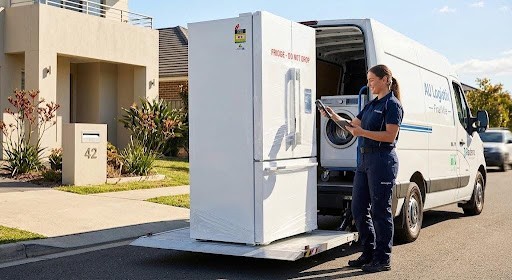
Managing a modern supply chain requires visibility and control from origin through to final delivery. But different stages of that journey create different operational challenges — and often require different technology — especially as customer expectations rise.
Freight management software (FMS) helps businesses plan, manage and monitor the movement of freight across carriers, transport networks and supply chain stages.
Last-mile delivery software focuses more closely on the execution of individual deliveries and service jobs, connecting operations teams, drivers and customers in real time.
The two categories can overlap, but they aren’t interchangeable. For businesses managing both upstream freight and outbound delivery operations, understanding where each system adds value — and how they can work together — is key to improving efficiency, visibility and the customer experience.
What Is Freight Management Software?
Freight Management Software helps businesses manage transportation across the macro supply chain, coordinating the movement of goods between carriers, warehouses, distribution centres and other stages of the logistics network.
Common FMS capabilities include:
Carrier selection and management
Freight rate management and procurement
Routing and scheduling
Load optimisation and consolidation
Shipment tracking and visibility
Freight documentation
Freight audit and payment
Carrier performance analysis
Integration with ERP, inventory and warehouse systems
The primary goal is to help businesses move freight efficiently and cost-effectively while maintaining visibility across transportation operations
What Is Last-Mile Delivery Software?
Last-mile delivery software specialises in managing the final leg of the journey. This might mean moving an online order from a distribution centre to a customer’s home, delivering stock to a retail location, completing a B2B delivery or dispatching a technician to a customer site.
While freight management technology focuses heavily on coordinating the movement of goods across transport networks, last-mile software provides more granular control over individual jobs, drivers, routes and customer interactions.
Common last-mile delivery capabilities include:
Route optimisation and delivery sequencing
Dispatch and intraday management
Driver workflows and mobile job execution
Real-time driver tracking and dynamic ETAs
Automated SMS and email communications
Electronic Proof of Delivery (ePOD)
Signatures and photographic delivery confirmation
Barcode and document scanning
Customer feedback and post-delivery surveys
Operational reporting and delivery performance data
Integration with ERP, OMS, TMS and other business systems
For businesses operating customer-facing delivery or service fleets, these capabilities connect what’s happening in the back office with what’s happening on the road.
Side-by-Side Comparison
Feature / Capability | Freight Management Software (FMS) | Last-Mile Delivery Software |
|---|---|---|
Primary Scope | Freight transportation across carriers, lanes and networks | Final-leg delivery, local fulfilment |
Primary User | Logistics teams, transport managers, freight operators and 3PLs | Operations managers, dispatchers, fleet managers drivers, and executive team. |
Optimisation Focus | Freight movements, carrier selection, loads, lanes and transportation costs | Driver routes, delivery windows, fleet utilisation and job execution |
Customer Visibility | Shipment and transportation visibility | Driver, job, ETA and customer-facing visibility |
Proof of Delivery | Paper Bills, freight documentation and shipment receipt | Electronic POD, signatures, photos and completion data |
Customer Experience | Often secondary to freight execution | A core component of the delivery workflow |
Integration Focus | ERP, WMS, inventory, carrier and supply chain systems | ERP, OMS, TMS, POS, CRM and customer communication systems |
Key Differences Explained
1. Freight Movement vs Delivery Execution
Freight management software primarily helps coordinate the movement of goods across transportation networks. That can include selecting carriers, consolidating shipments, planning routes, managing freight costs, monitoring shipments and handling transportation documentation.
Last-mile delivery software moves closer to the individual delivery or service job and helps answer questions such as:
Which driver should complete this job?
What’s the most efficient sequence for today’s deliveries?
Is the driver running on time?
What ETA should the customer receive?
Has the delivery been completed successfully?
What proof was captured at the delivery location?
What happens if the delivery fails?
This execution-level visibility becomes particularly important when a business’s own brand is attached to the final customer experience.
2. Shipment Visibility vs Job-Level Visibility
Freight management systems provide visibility across freight movements and shipments. Depending on the platform and carrier integrations, this can include both milestone events and real-time tracking.
Last-mile software adds another layer of operational detail. Operations teams can monitor individual jobs and drivers, while customers can receive live updates and dynamic ETAs as their delivery progresses. This makes last-mile visibility particularly valuable when customers need accurate information about when a delivery will actually arrive, rather than simply knowing that a shipment is in transit.
3. Transportation Management vs Customer Experience
Freight management is primarily concerned with moving goods efficiently, reliably and cost-effectively.
Last-mile operations have an additional challenge: the customer is directly involved in the process. A delayed shipment moving between two distribution centres may be an operational problem. A delivery that’s two hours late at a customer’s home or business can quickly become a customer-experience problem too.
Last-mile technology can help businesses keep customers informed through proactive communications, live tracking, dynamic ETAs and immediate delivery confirmation.
That visibility can also reduce the burden on customer service teams by helping customers answer common questions such as “Where is my delivery?” without needing to make a phone call.
4. Freight Documentation vs Electronic Proof of Delivery
Documentation is important throughout the transportation process, but the requirements at the final delivery point can be different.
Last-mile platforms can capture Electronic Proof of Delivery directly from the field, including:
Sign-on-glass signatures
Photographs
Completion and error codes
Timestamps
Location and geofencing information
Scanned documents or barcodes
This creates a digital record of what happened at the delivery point and can make it easier for operations and customer service teams to investigate queries or disputes.
When Do You Need Freight Management Software?
Freight management software may be appropriate when your operation involves:
Multiple freight carriers or transportation providers
Interstate or international freight movements
High volumes of palletised or bulk freight
Carrier selection and rate management
Freight consolidation and load optimisation
Complex freight documentation
Freight invoice auditing and reconciliation
Visibility across multiple stages of transportation
The more complex the freight network becomes, the greater the value of having technology dedicated to planning and coordinating those movements.
When Do You Need Last-Mile Delivery Software?
Last-mile delivery software becomes particularly valuable when your business manages the execution of deliveries or service jobs through an in-house, contracted or hybrid fleet.
Common indicators include:
Managing your own or contracted drivers
Coordinating large numbers of daily deliveries
Working with customer delivery windows
Manually planning or sequencing driver routes
Managing frequent delivery-status enquiries
Requiring digital Proof of Delivery
Needing greater visibility over drivers and jobs
Managing failed deliveries or delivery exceptions
Providing customers with ETA and tracking information
Measuring delivery performance and customer feedback
To explore how dedicated last-mile technology transforms final-leg operations, review our comprehensive guide on dispatch and delivery software or learn how businesses reduce operational overhead through minimising failed deliveries.
When Do You Need Both Systems?
For organisations managing complex supply chains, freight management and last-mile delivery technology can complement each other.
Consider a retailer importing products in bulk before distributing them through regional warehouses and ultimately delivering individual orders to customers. Freight management technology can help manage the upstream transportation network.
Once an order moves into outbound delivery, specialised last-mile technology can take over the execution workflow — planning routes, dispatching drivers, communicating with customers, tracking progress and capturing Proof of Delivery.
Using both can make sense when:
You manage end-to-end product movement: Bulk freight moves into warehouses or distribution centres before individual orders are dispatched to customers.
You operate a hybrid transport model: External carriers handle some stages of transportation while an in-house or contracted fleet manages local distribution.
Customer experience matters at the delivery point: Upstream freight visibility alone doesn’t provide the granular ETA, communication and delivery confirmation customers expect.
Different teams manage different stages of transportation: Freight, warehouse, customer service and delivery operations may each require different workflows while still needing access to connected information.
You want information to flow between systems: Integrating freight or transport systems with last-mile execution technology can create continuity from transportation planning through to final Proof of Delivery.
The goal isn’t necessarily to force every logistics process into one system. Instead, businesses can use specialised platforms for the processes they handle best while integrating them so that information moves automatically between systems.
How Radaro Connects Last-Mile Execution with Your Existing Technology
Radaro is an API-driven logistics and transport management platform designed to connect the back office with in-house and third-party outbound fleets. Rather than requiring businesses to replace their existing ERP, TMS, WMS, OMS or other core systems, Radaro can integrate into the existing technology environment and provide a dedicated layer for outbound planning and execution.
For example, order or job information can flow from an upstream business system into Radaro, where operations teams can manage:
Route optimisation
Driver allocation and dispatch
Intraday delivery management
Driver workflows
Real-time delivery visibility
Customer communications
Live ETAs
Proof of Delivery
Customer feedback
Activity from the field can then flow back into connected systems through APIs and real-time webhook events. This allows businesses to connect upstream transportation and order management with what’s actually happening on the road — creating a more complete picture of the delivery journey.
Freight Management and Last-Mile Software Work Better Together
Freight management software and last-mile delivery software address different parts of a connected logistics challenge. FMS helps coordinate freight across carriers, transport routes and broader logistics networks. Last-mile delivery technology provides more specialised control over individual delivery execution, driver workflows and customer interactions.
For businesses managing both, integrating these systems can create a continuous flow of information from upstream transport planning through to final Proof of Delivery. The result is greater operational visibility, more efficient delivery execution and a better-informed customer.
Radaro helps businesses connect their back office to the road, providing the technology to plan, manage and optimise outbound delivery operations across in-house and third-party fleets.
Frequently Asked Questions
1. Can a Freight Management System handle last-mile delivery tracking?
Some freight and transport management platforms include last-mile capabilities. However, businesses with complex delivery operations may require more specialised functionality around route optimisation, driver workflows, customer communications, real-time tracking, Proof of Delivery and post-delivery feedback. The right approach depends on the complexity of the operation and the capabilities of the existing freight or transport management platform.
2. How does last-mile software integrate with existing FMS or ERP platforms?
Modern last-mile platforms can integrate with upstream business systems through APIs and webhooks. For example, an ERP, order management or transport management system can send job information into a last-mile platform for planning and execution.
As drivers progress through their jobs, delivery information — including status changes, timestamps and Proof of Delivery data — can then be returned to connected systems.
Radaro is an API-first platform that supports this type of two-way integration and real-time webhook communication
3. What is the biggest ROI driver when implementing last-mile software alongside an FMS?
The biggest ROI drivers are reduced fuel consumption through smart route optimisation, a drastic decline in failed delivery costs, and a significant drop in customer support inquiries regarding order status. The greatest value often comes from connecting operational efficiency with a better customer delivery experience.
4. Is last-mile delivery software suitable for B2B logistics?
Yes. Last-mile technology isn’t limited to residential ecommerce deliveries. It can also support B2B distribution, trade deliveries, store replenishment, healthcare, logistics and field-service operations. Real-time delivery visibility can help receiving teams prepare for arrivals, while digital Proof of Delivery creates an immediate record of what occurred at the delivery location.
5. How does Proof of Delivery differ between FMS and last-mile software?
Freight management systems can manage documentation associated with transporting and receiving shipments.
Last-mile platforms typically provide more granular Electronic Proof of Delivery at the individual job level.
Depending on the workflow, this can include signatures, photographs, timestamps, location data, barcodes, documents and completion information captured directly by the driver at the delivery location. That information can then be made available to operations teams, customer service teams and connected business systems shortly after the delivery is completed.
Managing a modern supply chain requires visibility and control from origin through to final delivery. But different stages of that journey create different operational challenges — and often require different technology — especially as customer expectations rise.
Freight management software (FMS) helps businesses plan, manage and monitor the movement of freight across carriers, transport networks and supply chain stages.
Last-mile delivery software focuses more closely on the execution of individual deliveries and service jobs, connecting operations teams, drivers and customers in real time.
The two categories can overlap, but they aren’t interchangeable. For businesses managing both upstream freight and outbound delivery operations, understanding where each system adds value — and how they can work together — is key to improving efficiency, visibility and the customer experience.
What Is Freight Management Software?
Freight Management Software helps businesses manage transportation across the macro supply chain, coordinating the movement of goods between carriers, warehouses, distribution centres and other stages of the logistics network.
Common FMS capabilities include:
Carrier selection and management
Freight rate management and procurement
Routing and scheduling
Load optimisation and consolidation
Shipment tracking and visibility
Freight documentation
Freight audit and payment
Carrier performance analysis
Integration with ERP, inventory and warehouse systems
The primary goal is to help businesses move freight efficiently and cost-effectively while maintaining visibility across transportation operations
What Is Last-Mile Delivery Software?
Last-mile delivery software specialises in managing the final leg of the journey. This might mean moving an online order from a distribution centre to a customer’s home, delivering stock to a retail location, completing a B2B delivery or dispatching a technician to a customer site.
While freight management technology focuses heavily on coordinating the movement of goods across transport networks, last-mile software provides more granular control over individual jobs, drivers, routes and customer interactions.
Common last-mile delivery capabilities include:
Route optimisation and delivery sequencing
Dispatch and intraday management
Driver workflows and mobile job execution
Real-time driver tracking and dynamic ETAs
Automated SMS and email communications
Electronic Proof of Delivery (ePOD)
Signatures and photographic delivery confirmation
Barcode and document scanning
Customer feedback and post-delivery surveys
Operational reporting and delivery performance data
Integration with ERP, OMS, TMS and other business systems
For businesses operating customer-facing delivery or service fleets, these capabilities connect what’s happening in the back office with what’s happening on the road.
Side-by-Side Comparison
Feature / Capability | Freight Management Software (FMS) | Last-Mile Delivery Software |
|---|---|---|
Primary Scope | Freight transportation across carriers, lanes and networks | Final-leg delivery, local fulfilment |
Primary User | Logistics teams, transport managers, freight operators and 3PLs | Operations managers, dispatchers, fleet managers drivers, and executive team. |
Optimisation Focus | Freight movements, carrier selection, loads, lanes and transportation costs | Driver routes, delivery windows, fleet utilisation and job execution |
Customer Visibility | Shipment and transportation visibility | Driver, job, ETA and customer-facing visibility |
Proof of Delivery | Paper Bills, freight documentation and shipment receipt | Electronic POD, signatures, photos and completion data |
Customer Experience | Often secondary to freight execution | A core component of the delivery workflow |
Integration Focus | ERP, WMS, inventory, carrier and supply chain systems | ERP, OMS, TMS, POS, CRM and customer communication systems |
Key Differences Explained
1. Freight Movement vs Delivery Execution
Freight management software primarily helps coordinate the movement of goods across transportation networks. That can include selecting carriers, consolidating shipments, planning routes, managing freight costs, monitoring shipments and handling transportation documentation.
Last-mile delivery software moves closer to the individual delivery or service job and helps answer questions such as:
Which driver should complete this job?
What’s the most efficient sequence for today’s deliveries?
Is the driver running on time?
What ETA should the customer receive?
Has the delivery been completed successfully?
What proof was captured at the delivery location?
What happens if the delivery fails?
This execution-level visibility becomes particularly important when a business’s own brand is attached to the final customer experience.
2. Shipment Visibility vs Job-Level Visibility
Freight management systems provide visibility across freight movements and shipments. Depending on the platform and carrier integrations, this can include both milestone events and real-time tracking.
Last-mile software adds another layer of operational detail. Operations teams can monitor individual jobs and drivers, while customers can receive live updates and dynamic ETAs as their delivery progresses. This makes last-mile visibility particularly valuable when customers need accurate information about when a delivery will actually arrive, rather than simply knowing that a shipment is in transit.
3. Transportation Management vs Customer Experience
Freight management is primarily concerned with moving goods efficiently, reliably and cost-effectively.
Last-mile operations have an additional challenge: the customer is directly involved in the process. A delayed shipment moving between two distribution centres may be an operational problem. A delivery that’s two hours late at a customer’s home or business can quickly become a customer-experience problem too.
Last-mile technology can help businesses keep customers informed through proactive communications, live tracking, dynamic ETAs and immediate delivery confirmation.
That visibility can also reduce the burden on customer service teams by helping customers answer common questions such as “Where is my delivery?” without needing to make a phone call.
4. Freight Documentation vs Electronic Proof of Delivery
Documentation is important throughout the transportation process, but the requirements at the final delivery point can be different.
Last-mile platforms can capture Electronic Proof of Delivery directly from the field, including:
Sign-on-glass signatures
Photographs
Completion and error codes
Timestamps
Location and geofencing information
Scanned documents or barcodes
This creates a digital record of what happened at the delivery point and can make it easier for operations and customer service teams to investigate queries or disputes.
When Do You Need Freight Management Software?
Freight management software may be appropriate when your operation involves:
Multiple freight carriers or transportation providers
Interstate or international freight movements
High volumes of palletised or bulk freight
Carrier selection and rate management
Freight consolidation and load optimisation
Complex freight documentation
Freight invoice auditing and reconciliation
Visibility across multiple stages of transportation
The more complex the freight network becomes, the greater the value of having technology dedicated to planning and coordinating those movements.
When Do You Need Last-Mile Delivery Software?
Last-mile delivery software becomes particularly valuable when your business manages the execution of deliveries or service jobs through an in-house, contracted or hybrid fleet.
Common indicators include:
Managing your own or contracted drivers
Coordinating large numbers of daily deliveries
Working with customer delivery windows
Manually planning or sequencing driver routes
Managing frequent delivery-status enquiries
Requiring digital Proof of Delivery
Needing greater visibility over drivers and jobs
Managing failed deliveries or delivery exceptions
Providing customers with ETA and tracking information
Measuring delivery performance and customer feedback
To explore how dedicated last-mile technology transforms final-leg operations, review our comprehensive guide on dispatch and delivery software or learn how businesses reduce operational overhead through minimising failed deliveries.
When Do You Need Both Systems?
For organisations managing complex supply chains, freight management and last-mile delivery technology can complement each other.
Consider a retailer importing products in bulk before distributing them through regional warehouses and ultimately delivering individual orders to customers. Freight management technology can help manage the upstream transportation network.
Once an order moves into outbound delivery, specialised last-mile technology can take over the execution workflow — planning routes, dispatching drivers, communicating with customers, tracking progress and capturing Proof of Delivery.
Using both can make sense when:
You manage end-to-end product movement: Bulk freight moves into warehouses or distribution centres before individual orders are dispatched to customers.
You operate a hybrid transport model: External carriers handle some stages of transportation while an in-house or contracted fleet manages local distribution.
Customer experience matters at the delivery point: Upstream freight visibility alone doesn’t provide the granular ETA, communication and delivery confirmation customers expect.
Different teams manage different stages of transportation: Freight, warehouse, customer service and delivery operations may each require different workflows while still needing access to connected information.
You want information to flow between systems: Integrating freight or transport systems with last-mile execution technology can create continuity from transportation planning through to final Proof of Delivery.
The goal isn’t necessarily to force every logistics process into one system. Instead, businesses can use specialised platforms for the processes they handle best while integrating them so that information moves automatically between systems.
How Radaro Connects Last-Mile Execution with Your Existing Technology
Radaro is an API-driven logistics and transport management platform designed to connect the back office with in-house and third-party outbound fleets. Rather than requiring businesses to replace their existing ERP, TMS, WMS, OMS or other core systems, Radaro can integrate into the existing technology environment and provide a dedicated layer for outbound planning and execution.
For example, order or job information can flow from an upstream business system into Radaro, where operations teams can manage:
Route optimisation
Driver allocation and dispatch
Intraday delivery management
Driver workflows
Real-time delivery visibility
Customer communications
Live ETAs
Proof of Delivery
Customer feedback
Activity from the field can then flow back into connected systems through APIs and real-time webhook events. This allows businesses to connect upstream transportation and order management with what’s actually happening on the road — creating a more complete picture of the delivery journey.
Freight Management and Last-Mile Software Work Better Together
Freight management software and last-mile delivery software address different parts of a connected logistics challenge. FMS helps coordinate freight across carriers, transport routes and broader logistics networks. Last-mile delivery technology provides more specialised control over individual delivery execution, driver workflows and customer interactions.
For businesses managing both, integrating these systems can create a continuous flow of information from upstream transport planning through to final Proof of Delivery. The result is greater operational visibility, more efficient delivery execution and a better-informed customer.
Radaro helps businesses connect their back office to the road, providing the technology to plan, manage and optimise outbound delivery operations across in-house and third-party fleets.
Frequently Asked Questions
1. Can a Freight Management System handle last-mile delivery tracking?
Some freight and transport management platforms include last-mile capabilities. However, businesses with complex delivery operations may require more specialised functionality around route optimisation, driver workflows, customer communications, real-time tracking, Proof of Delivery and post-delivery feedback. The right approach depends on the complexity of the operation and the capabilities of the existing freight or transport management platform.
2. How does last-mile software integrate with existing FMS or ERP platforms?
Modern last-mile platforms can integrate with upstream business systems through APIs and webhooks. For example, an ERP, order management or transport management system can send job information into a last-mile platform for planning and execution.
As drivers progress through their jobs, delivery information — including status changes, timestamps and Proof of Delivery data — can then be returned to connected systems.
Radaro is an API-first platform that supports this type of two-way integration and real-time webhook communication
3. What is the biggest ROI driver when implementing last-mile software alongside an FMS?
The biggest ROI drivers are reduced fuel consumption through smart route optimisation, a drastic decline in failed delivery costs, and a significant drop in customer support inquiries regarding order status. The greatest value often comes from connecting operational efficiency with a better customer delivery experience.
4. Is last-mile delivery software suitable for B2B logistics?
Yes. Last-mile technology isn’t limited to residential ecommerce deliveries. It can also support B2B distribution, trade deliveries, store replenishment, healthcare, logistics and field-service operations. Real-time delivery visibility can help receiving teams prepare for arrivals, while digital Proof of Delivery creates an immediate record of what occurred at the delivery location.
5. How does Proof of Delivery differ between FMS and last-mile software?
Freight management systems can manage documentation associated with transporting and receiving shipments.
Last-mile platforms typically provide more granular Electronic Proof of Delivery at the individual job level.
Depending on the workflow, this can include signatures, photographs, timestamps, location data, barcodes, documents and completion information captured directly by the driver at the delivery location. That information can then be made available to operations teams, customer service teams and connected business systems shortly after the delivery is completed.
Subscribe to our Newsletter


Get Started with Radaro
Last mile delivery software designed for complex, real-world logistics.


Managing a modern supply chain requires visibility and control from origin through to final delivery. But different stages of that journey create different operational challenges — and often require different technology — especially as customer expectations rise.
Freight management software (FMS) helps businesses plan, manage and monitor the movement of freight across carriers, transport networks and supply chain stages.
Last-mile delivery software focuses more closely on the execution of individual deliveries and service jobs, connecting operations teams, drivers and customers in real time.
The two categories can overlap, but they aren’t interchangeable. For businesses managing both upstream freight and outbound delivery operations, understanding where each system adds value — and how they can work together — is key to improving efficiency, visibility and the customer experience.
What Is Freight Management Software?
Freight Management Software helps businesses manage transportation across the macro supply chain, coordinating the movement of goods between carriers, warehouses, distribution centres and other stages of the logistics network.
Common FMS capabilities include:
Carrier selection and management
Freight rate management and procurement
Routing and scheduling
Load optimisation and consolidation
Shipment tracking and visibility
Freight documentation
Freight audit and payment
Carrier performance analysis
Integration with ERP, inventory and warehouse systems
The primary goal is to help businesses move freight efficiently and cost-effectively while maintaining visibility across transportation operations
What Is Last-Mile Delivery Software?
Last-mile delivery software specialises in managing the final leg of the journey. This might mean moving an online order from a distribution centre to a customer’s home, delivering stock to a retail location, completing a B2B delivery or dispatching a technician to a customer site.
While freight management technology focuses heavily on coordinating the movement of goods across transport networks, last-mile software provides more granular control over individual jobs, drivers, routes and customer interactions.
Common last-mile delivery capabilities include:
Route optimisation and delivery sequencing
Dispatch and intraday management
Driver workflows and mobile job execution
Real-time driver tracking and dynamic ETAs
Automated SMS and email communications
Electronic Proof of Delivery (ePOD)
Signatures and photographic delivery confirmation
Barcode and document scanning
Customer feedback and post-delivery surveys
Operational reporting and delivery performance data
Integration with ERP, OMS, TMS and other business systems
For businesses operating customer-facing delivery or service fleets, these capabilities connect what’s happening in the back office with what’s happening on the road.
Side-by-Side Comparison
Feature / Capability | Freight Management Software (FMS) | Last-Mile Delivery Software |
|---|---|---|
Primary Scope | Freight transportation across carriers, lanes and networks | Final-leg delivery, local fulfilment |
Primary User | Logistics teams, transport managers, freight operators and 3PLs | Operations managers, dispatchers, fleet managers drivers, and executive team. |
Optimisation Focus | Freight movements, carrier selection, loads, lanes and transportation costs | Driver routes, delivery windows, fleet utilisation and job execution |
Customer Visibility | Shipment and transportation visibility | Driver, job, ETA and customer-facing visibility |
Proof of Delivery | Paper Bills, freight documentation and shipment receipt | Electronic POD, signatures, photos and completion data |
Customer Experience | Often secondary to freight execution | A core component of the delivery workflow |
Integration Focus | ERP, WMS, inventory, carrier and supply chain systems | ERP, OMS, TMS, POS, CRM and customer communication systems |
Key Differences Explained
1. Freight Movement vs Delivery Execution
Freight management software primarily helps coordinate the movement of goods across transportation networks. That can include selecting carriers, consolidating shipments, planning routes, managing freight costs, monitoring shipments and handling transportation documentation.
Last-mile delivery software moves closer to the individual delivery or service job and helps answer questions such as:
Which driver should complete this job?
What’s the most efficient sequence for today’s deliveries?
Is the driver running on time?
What ETA should the customer receive?
Has the delivery been completed successfully?
What proof was captured at the delivery location?
What happens if the delivery fails?
This execution-level visibility becomes particularly important when a business’s own brand is attached to the final customer experience.
2. Shipment Visibility vs Job-Level Visibility
Freight management systems provide visibility across freight movements and shipments. Depending on the platform and carrier integrations, this can include both milestone events and real-time tracking.
Last-mile software adds another layer of operational detail. Operations teams can monitor individual jobs and drivers, while customers can receive live updates and dynamic ETAs as their delivery progresses. This makes last-mile visibility particularly valuable when customers need accurate information about when a delivery will actually arrive, rather than simply knowing that a shipment is in transit.
3. Transportation Management vs Customer Experience
Freight management is primarily concerned with moving goods efficiently, reliably and cost-effectively.
Last-mile operations have an additional challenge: the customer is directly involved in the process. A delayed shipment moving between two distribution centres may be an operational problem. A delivery that’s two hours late at a customer’s home or business can quickly become a customer-experience problem too.
Last-mile technology can help businesses keep customers informed through proactive communications, live tracking, dynamic ETAs and immediate delivery confirmation.
That visibility can also reduce the burden on customer service teams by helping customers answer common questions such as “Where is my delivery?” without needing to make a phone call.
4. Freight Documentation vs Electronic Proof of Delivery
Documentation is important throughout the transportation process, but the requirements at the final delivery point can be different.
Last-mile platforms can capture Electronic Proof of Delivery directly from the field, including:
Sign-on-glass signatures
Photographs
Completion and error codes
Timestamps
Location and geofencing information
Scanned documents or barcodes
This creates a digital record of what happened at the delivery point and can make it easier for operations and customer service teams to investigate queries or disputes.
When Do You Need Freight Management Software?
Freight management software may be appropriate when your operation involves:
Multiple freight carriers or transportation providers
Interstate or international freight movements
High volumes of palletised or bulk freight
Carrier selection and rate management
Freight consolidation and load optimisation
Complex freight documentation
Freight invoice auditing and reconciliation
Visibility across multiple stages of transportation
The more complex the freight network becomes, the greater the value of having technology dedicated to planning and coordinating those movements.
When Do You Need Last-Mile Delivery Software?
Last-mile delivery software becomes particularly valuable when your business manages the execution of deliveries or service jobs through an in-house, contracted or hybrid fleet.
Common indicators include:
Managing your own or contracted drivers
Coordinating large numbers of daily deliveries
Working with customer delivery windows
Manually planning or sequencing driver routes
Managing frequent delivery-status enquiries
Requiring digital Proof of Delivery
Needing greater visibility over drivers and jobs
Managing failed deliveries or delivery exceptions
Providing customers with ETA and tracking information
Measuring delivery performance and customer feedback
To explore how dedicated last-mile technology transforms final-leg operations, review our comprehensive guide on dispatch and delivery software or learn how businesses reduce operational overhead through minimising failed deliveries.
When Do You Need Both Systems?
For organisations managing complex supply chains, freight management and last-mile delivery technology can complement each other.
Consider a retailer importing products in bulk before distributing them through regional warehouses and ultimately delivering individual orders to customers. Freight management technology can help manage the upstream transportation network.
Once an order moves into outbound delivery, specialised last-mile technology can take over the execution workflow — planning routes, dispatching drivers, communicating with customers, tracking progress and capturing Proof of Delivery.
Using both can make sense when:
You manage end-to-end product movement: Bulk freight moves into warehouses or distribution centres before individual orders are dispatched to customers.
You operate a hybrid transport model: External carriers handle some stages of transportation while an in-house or contracted fleet manages local distribution.
Customer experience matters at the delivery point: Upstream freight visibility alone doesn’t provide the granular ETA, communication and delivery confirmation customers expect.
Different teams manage different stages of transportation: Freight, warehouse, customer service and delivery operations may each require different workflows while still needing access to connected information.
You want information to flow between systems: Integrating freight or transport systems with last-mile execution technology can create continuity from transportation planning through to final Proof of Delivery.
The goal isn’t necessarily to force every logistics process into one system. Instead, businesses can use specialised platforms for the processes they handle best while integrating them so that information moves automatically between systems.
How Radaro Connects Last-Mile Execution with Your Existing Technology
Radaro is an API-driven logistics and transport management platform designed to connect the back office with in-house and third-party outbound fleets. Rather than requiring businesses to replace their existing ERP, TMS, WMS, OMS or other core systems, Radaro can integrate into the existing technology environment and provide a dedicated layer for outbound planning and execution.
For example, order or job information can flow from an upstream business system into Radaro, where operations teams can manage:
Route optimisation
Driver allocation and dispatch
Intraday delivery management
Driver workflows
Real-time delivery visibility
Customer communications
Live ETAs
Proof of Delivery
Customer feedback
Activity from the field can then flow back into connected systems through APIs and real-time webhook events. This allows businesses to connect upstream transportation and order management with what’s actually happening on the road — creating a more complete picture of the delivery journey.
Freight Management and Last-Mile Software Work Better Together
Freight management software and last-mile delivery software address different parts of a connected logistics challenge. FMS helps coordinate freight across carriers, transport routes and broader logistics networks. Last-mile delivery technology provides more specialised control over individual delivery execution, driver workflows and customer interactions.
For businesses managing both, integrating these systems can create a continuous flow of information from upstream transport planning through to final Proof of Delivery. The result is greater operational visibility, more efficient delivery execution and a better-informed customer.
Radaro helps businesses connect their back office to the road, providing the technology to plan, manage and optimise outbound delivery operations across in-house and third-party fleets.
Frequently Asked Questions
1. Can a Freight Management System handle last-mile delivery tracking?
Some freight and transport management platforms include last-mile capabilities. However, businesses with complex delivery operations may require more specialised functionality around route optimisation, driver workflows, customer communications, real-time tracking, Proof of Delivery and post-delivery feedback. The right approach depends on the complexity of the operation and the capabilities of the existing freight or transport management platform.
2. How does last-mile software integrate with existing FMS or ERP platforms?
Modern last-mile platforms can integrate with upstream business systems through APIs and webhooks. For example, an ERP, order management or transport management system can send job information into a last-mile platform for planning and execution.
As drivers progress through their jobs, delivery information — including status changes, timestamps and Proof of Delivery data — can then be returned to connected systems.
Radaro is an API-first platform that supports this type of two-way integration and real-time webhook communication
3. What is the biggest ROI driver when implementing last-mile software alongside an FMS?
The biggest ROI drivers are reduced fuel consumption through smart route optimisation, a drastic decline in failed delivery costs, and a significant drop in customer support inquiries regarding order status. The greatest value often comes from connecting operational efficiency with a better customer delivery experience.
4. Is last-mile delivery software suitable for B2B logistics?
Yes. Last-mile technology isn’t limited to residential ecommerce deliveries. It can also support B2B distribution, trade deliveries, store replenishment, healthcare, logistics and field-service operations. Real-time delivery visibility can help receiving teams prepare for arrivals, while digital Proof of Delivery creates an immediate record of what occurred at the delivery location.
5. How does Proof of Delivery differ between FMS and last-mile software?
Freight management systems can manage documentation associated with transporting and receiving shipments.
Last-mile platforms typically provide more granular Electronic Proof of Delivery at the individual job level.
Depending on the workflow, this can include signatures, photographs, timestamps, location data, barcodes, documents and completion information captured directly by the driver at the delivery location. That information can then be made available to operations teams, customer service teams and connected business systems shortly after the delivery is completed.
Subscribe to our Newsletter
Get Started with Radaro
Last mile delivery software designed for complex, real-world logistics.
Related Posts
Related Posts
Leader's Digest Insights


Take Control of Your Last Mile
Discover what Radaro can do for you



"/><stop offset="1" stop-color="rgba(114, 163, 190, 0)"/></linearGradient></defs><g d="M 72 37.3 L 96.4 37.3 C 98.6 37.3 100.4 35.7 100.6 33.5 C 100.8 31.3 101.2 27.1 101.2 22.2 C 101.2 17.3 101 14.4 100.7 12.1 C 100.4 9.8 98.7 8.4 96.5 8.4 L 72 8.4 L 72 37.2 Z M 80 30.3 L 77.3 30.3 L 77.3 4.9 L 80 4.9 Z M 71 5.1 C 71.552 5.1 72 5.548 72 6.1 L 72 37.6 C 72 38.152 71.552 38.6 71 38.6 L 1 38.6 C 0.448 38.6 0 38.152 0 37.6 L 0 6.1 C 0 5.548 0.448 5.1 1 5.1 Z M 97.5 37.1 L 5.2 37.1 L 5.2 27.3 L 100.5 27.3 L 100.5 34.1 C 100.5 35.8 99.2 37.1 97.5 37.1 Z M 79.5 31.7 L 99.4 31.7 C 101.6 31.7 103.4 30.1 103.6 27.9 C 103.8 25.7 104.2 21.5 104.2 16.6 C 104.2 12.1 104 8.8 103.7 6.5 C 103.4 4.2 101.7 2.8 99.5 2.8 L 79.5 2.8 L 79.5 31.6 Z M 88.7 28.2 L 94.3 29.3 L 102 30.8 C 101.3 31.3 100.4 31.7 99.4 31.7 L 79.5 31.7 L 79.5 28.2 Z M 76.4 1.2 C 76.952 1.2 77.4 1.648 77.4 2.2 L 77.4 31.9 C 77.4 32.452 76.952 32.9 76.4 32.9 L 6.4 32.9 C 5.848 32.9 5.4 32.452 5.4 31.9 L 5.4 2.2 C 5.4 1.648 5.848 1.2 6.4 1.2 Z M 76.9 32.7 L 5.7 32.7 L 5.7 31.1 L 76.9 31.1 Z M 76.4 1.2 C 76.952 1.2 77.4 1.648 77.4 2.2 L 77.4 31.9 C 77.4 32.452 76.952 32.9 76.4 32.9 L 6.4 32.9 C 5.848 32.9 5.4 32.452 5.4 31.9 L 5.4 2.2 C 5.4 1.648 5.848 1.2 6.4 1.2 Z M 89.3 5.4 C 89 5.4 88.9 5.7 89 6 C 89.5 7.4 91 11.9 91 17.1 C 91 22.3 89.6 26.5 89 27.9 C 88.4 29.3 89 28.4 89.3 28.5 L 93.9 29.2 C 94.3 29.2 94.7 29 94.8 28.7 C 95.4 27.2 96.9 22.9 96.9 17 C 96.9 11.1 95.4 6.7 94.7 5.2 C 94 3.7 94.2 4.6 93.8 4.7 L 89.2 5.5 Z M 85.7 5.1 L 82.1 5.1 C 81.8 5.1 81.6 4.9 81.6 4.6 L 81.6 4.4 C 81.6 4.1 81.8 3.9 82.1 3.9 L 91.9 3.9 L 86.8 5 C 86.4 5 86.1 5.1 85.7 5.1 Z M 85.6 29.2 L 81.9 29.2 C 81.7 29.2 81.5 29.4 81.5 29.6 L 81.5 30 C 81.5 30.2 81.7 30.4 81.9 30.4 L 91.8 30.4 L 86.7 29.3 C 86.3 29.3 85.9 29.2 85.6 29.2 Z M 104.2 16.9 C 104.2 20 104.1 22.6 103.9 24.8 C 103.2 24.7 102.8 24.1 102.8 23.4 L 102.8 11.1 C 102.8 10.4 103.3 9.8 103.9 9.7 C 104 11.6 104.1 14 104.1 16.9 Z M 99.6 3.3 L 100.2 2.9 C 102 3.2 103.5 4.7 103.7 6.6 L 103.7 7 C 103.4 7.2 103.1 7.1 103 7 C 102.7 6.2 101.8 4.8 99.6 4.1 C 99.3 4.1 99.3 3.6 99.6 3.4 Z M 99.6 31.1 L 100.2 31.5 C 102 31.2 103.5 29.7 103.7 27.8 L 103.7 27.4 C 103.4 27.2 103.1 27.3 103 27.4 C 102.7 28.2 101.8 29.6 99.6 30.3 C 99.3 30.3 99.3 30.8 99.6 31 Z M 89.7 2.8 L 88.4 1 C 88.3 0.8 88.4 0.6 88.5 0.4 L 89.1 0 C 89.5 0 89.9 0.2 90.2 0.6 L 90.6 1.2 C 90.9 1.6 91 2.1 91 2.5 L 91 3.7 L 89.7 3.7 L 89.7 2.7 Z M 89.7 31.4 L 88.4 33.2 C 88.3 33.4 88.4 33.6 88.5 33.8 L 89.1 34.2 C 89.5 34.2 89.9 34 90.2 33.6 L 90.6 33 C 90.9 32.6 91 32.1 91 31.7 L 91 30.5 L 89.7 30.5 L 89.7 31.5 Z" fill="transparent" height="38.599999904632575px" id="LuoQ0xnNj" width="104.20000000000002px"><g d="M 72 37.3 L 96.4 37.3 C 98.6 37.3 100.4 35.7 100.6 33.5 C 100.8 31.3 101.2 27.1 101.2 22.2 C 101.2 17.3 101 14.4 100.7 12.1 C 100.4 9.8 98.7 8.4 96.5 8.4 L 72 8.4 L 72 37.2 Z M 80 30.3 L 77.3 30.3 L 77.3 4.9 L 80 4.9 Z M 71 5.1 C 71.552 5.1 72 5.548 72 6.1 L 72 37.6 C 72 38.152 71.552 38.6 71 38.6 L 1 38.6 C 0.448 38.6 0 38.152 0 37.6 L 0 6.1 C 0 5.548 0.448 5.1 1 5.1 Z M 97.5 37.1 L 5.2 37.1 L 5.2 27.3 L 100.5 27.3 L 100.5 34.1 C 100.5 35.8 99.2 37.1 97.5 37.1 Z M 79.5 31.7 L 99.4 31.7 C 101.6 31.7 103.4 30.1 103.6 27.9 C 103.8 25.7 104.2 21.5 104.2 16.6 C 104.2 12.1 104 8.8 103.7 6.5 C 103.4 4.2 101.7 2.8 99.5 2.8 L 79.5 2.8 L 79.5 31.6 Z M 88.7 28.2 L 94.3 29.3 L 102 30.8 C 101.3 31.3 100.4 31.7 99.4 31.7 L 79.5 31.7 L 79.5 28.2 Z M 76.4 1.2 C 76.952 1.2 77.4 1.648 77.4 2.2 L 77.4 31.9 C 77.4 32.452 76.952 32.9 76.4 32.9 L 6.4 32.9 C 5.848 32.9 5.4 32.452 5.4 31.9 L 5.4 2.2 C 5.4 1.648 5.848 1.2 6.4 1.2 Z M 76.9 32.7 L 5.7 32.7 L 5.7 31.1 L 76.9 31.1 Z M 76.4 1.2 C 76.952 1.2 77.4 1.648 77.4 2.2 L 77.4 31.9 C 77.4 32.452 76.952 32.9 76.4 32.9 L 6.4 32.9 C 5.848 32.9 5.4 32.452 5.4 31.9 L 5.4 2.2 C 5.4 1.648 5.848 1.2 6.4 1.2 Z M 89.3 5.4 C 89 5.4 88.9 5.7 89 6 C 89.5 7.4 91 11.9 91 17.1 C 91 22.3 89.6 26.5 89 27.9 C 88.4 29.3 89 28.4 89.3 28.5 L 93.9 29.2 C 94.3 29.2 94.7 29 94.8 28.7 C 95.4 27.2 96.9 22.9 96.9 17 C 96.9 11.1 95.4 6.7 94.7 5.2 C 94 3.7 94.2 4.6 93.8 4.7 L 89.2 5.5 Z M 85.7 5.1 L 82.1 5.1 C 81.8 5.1 81.6 4.9 81.6 4.6 L 81.6 4.4 C 81.6 4.1 81.8 3.9 82.1 3.9 L 91.9 3.9 L 86.8 5 C 86.4 5 86.1 5.1 85.7 5.1 Z M 85.6 29.2 L 81.9 29.2 C 81.7 29.2 81.5 29.4 81.5 29.6 L 81.5 30 C 81.5 30.2 81.7 30.4 81.9 30.4 L 91.8 30.4 L 86.7 29.3 C 86.3 29.3 85.9 29.2 85.6 29.2 Z M 104.2 16.9 C 104.2 20 104.1 22.6 103.9 24.8 C 103.2 24.7 102.8 24.1 102.8 23.4 L 102.8 11.1 C 102.8 10.4 103.3 9.8 103.9 9.7 C 104 11.6 104.1 14 104.1 16.9 Z M 99.6 3.3 L 100.2 2.9 C 102 3.2 103.5 4.7 103.7 6.6 L 103.7 7 C 103.4 7.2 103.1 7.1 103 7 C 102.7 6.2 101.8 4.8 99.6 4.1 C 99.3 4.1 99.3 3.6 99.6 3.4 Z M 99.6 31.1 L 100.2 31.5 C 102 31.2 103.5 29.7 103.7 27.8 L 103.7 27.4 C 103.4 27.2 103.1 27.3 103 27.4 C 102.7 28.2 101.8 29.6 99.6 30.3 C 99.3 30.3 99.3 30.8 99.6 31 Z M 89.7 2.8 L 88.4 1 C 88.3 0.8 88.4 0.6 88.5 0.4 L 89.1 0 C 89.5 0 89.9 0.2 90.2 0.6 L 90.6 1.2 C 90.9 1.6 91 2.1 91 2.5 L 91 3.7 L 89.7 3.7 L 89.7 2.7 Z M 89.7 31.4 L 88.4 33.2 C 88.3 33.4 88.4 33.6 88.5 33.8 L 89.1 34.2 C 89.5 34.2 89.9 34 90.2 33.6 L 90.6 33 C 90.9 32.6 91 32.1 91 31.7 L 91 30.5 L 89.7 30.5 L 89.7 31.5 Z" fill="transparent" height="38.599999904632575px" id="zezgG8Y1q" width="104.20000000000002px"><g opacity="0.4"><path d="M 0 28.9 L 24.4 28.9 C 26.6 28.9 28.4 27.3 28.6 25.1 C 28.8 22.9 29.2 18.7 29.2 13.8 C 29.2 8.9 29 6 28.7 3.7 C 28.4 1.4 26.7 0 24.5 0 L 0 0 L 0 28.8 Z" fill="rgb(215, 227, 232)" height="28.900000000000006px" id="m6px2y2al" transform="translate(72 8.4)" width="29.19999999999999px"/></g><path d="M 2.7 25.4 L 0 25.4 L 0 0 L 2.7 0 Z" fill="rgb(7, 64, 89)" height="25.4px" id="cyMhIGwIO" transform="translate(77.3 4.9)" width="2.700000000000017px"/><g opacity="0.4"><path d="M 71 0 C 71.552 0 72 0.448 72 1 L 72 32.5 C 72 33.052 71.552 33.5 71 33.5 L 1 33.5 C 0.448 33.5 0 33.052 0 32.5 L 0 1 C 0 0.448 0.448 0 1 0 Z" fill="rgb(215, 227, 232)" height="33.50000000000001px" id="V9wSu3WkR" transform="translate(0 5.1)" width="72px"/></g><g opacity="0.8"><path d="M 92.3 9.8 L 0 9.8 L 0 0 L 95.3 0 L 95.3 6.8 C 95.3 8.5 94 9.8 92.3 9.8 Z" fill="url(%23NPpo5c7u7-389490388-linear-gradient)" height="9.800000000000011px" id="NPpo5c7u7" transform="translate(5.2 27.3)" width="95.29999999999998px"/></g><path d="M 0 28.9 L 19.9 28.9 C 22.1 28.9 23.9 27.3 24.1 25.1 C 24.3 22.9 24.7 18.7 24.7 13.8 C 24.7 9.3 24.5 6 24.2 3.7 C 23.9 1.4 22.2 0 20 0 L 0 0 L 0 28.8 Z" fill="rgb(215, 227, 232)" height="28.9px" id="QiYhvoPI2" transform="translate(79.5 2.8)" width="24.700000000000017px"/><g opacity="0.4"><path d="M 9.2 0 L 14.8 1.1 L 22.5 2.6 C 21.8 3.1 20.9 3.5 19.9 3.5 L 0 3.5 L 0 0 Z" fill="rgb(114, 163, 190)" height="3.5px" id="iw09x_5cV" transform="translate(79.5 28.2)" width="22.5px"/></g><path d="M 71 0 C 71.552 0 72 0.448 72 1 L 72 30.7 C 72 31.252 71.552 31.7 71 31.7 L 1 31.7 C 0.448 31.7 0 31.252 0 30.7 L 0 1 C 0 0.448 0.448 0 1 0 Z" fill="rgb(249, 250, 252)" height="31.70000000000001px" id="enHG0Xv5x" transform="translate(5.4 1.2)" width="71.99999999999999px"/><g opacity="0.4"><path d="M 71.2 1.6 L 0 1.6 L 0 0 L 71.2 0 Z" fill="rgb(114, 163, 190)" height="1.6000000000000156px" id="nNlyDyI8O" transform="translate(5.7 31.1)" width="71.20000000000002px"/></g><path d="M 71 0 C 71.552 0 72 0.448 72 1 L 72 30.7 C 72 31.252 71.552 31.7 71 31.7 L 1 31.7 C 0.448 31.7 0 31.252 0 30.7 L 0 1 C 0 0.448 0.448 0 1 0 Z" fill="transparent" height="31.70000000000001px" id="fXaCrMspo" stroke-dasharray="" stroke-linecap="butt" stroke-linejoin="miter" stroke-miterlimit="10" stroke-width="1" stroke="rgb(215, 227, 232)" transform="translate(5.4 1.2)" width="71.99999999999999px"/><path d="M 7.8 1.5 C 7.5 1.5 7.4 1.8 7.5 2.1 C 8 3.5 9.5 8 9.5 13.2 C 9.5 18.4 8.1 22.6 7.5 24 C 6.9 25.4 7.5 24.5 7.8 24.6 L 12.4 25.3 C 12.8 25.3 13.2 25.1 13.3 24.8 C 13.9 23.3 15.4 19 15.4 13.1 C 15.4 7.2 13.9 2.8 13.2 1.3 C 12.5 -0.2 12.7 0.7 12.3 0.8 L 7.7 1.6 Z M 4.2 1.2 L 0.6 1.2 C 0.3 1.2 0.1 1 0.1 0.7 L 0.1 0.5 C 0.1 0.2 0.3 0 0.6 0 L 10.4 0 L 5.3 1.1 C 4.9 1.1 4.6 1.2 4.2 1.2 Z M 4.1 25.3 L 0.4 25.3 C 0.2 25.3 0 25.5 0 25.7 L 0 26.1 C 0 26.3 0.2 26.5 0.4 26.5 L 10.3 26.5 L 5.2 25.4 C 4.8 25.4 4.4 25.3 4.1 25.3 Z M 22.7 13 C 22.7 16.1 22.6 18.7 22.4 20.9 C 21.7 20.8 21.3 20.2 21.3 19.5 L 21.3 7.2 C 21.3 6.5 21.8 5.9 22.4 5.8 C 22.5 7.7 22.6 10.1 22.6 13 Z" fill="rgb(7, 64, 89)" height="26.499999237060543px" id="zg2puoduN" transform="translate(81.5 3.9)" width="22.699999237060524px"/><path d="M 0.225 0.4 L 0.825 0 C 2.625 0.3 4.125 1.8 4.325 3.7 L 4.325 4.1 C 4.025 4.3 3.725 4.2 3.625 4.1 C 3.325 3.3 2.425 1.9 0.225 1.2 C -0.075 1.2 -0.075 0.7 0.225 0.5 Z M 0.225 28.2 L 0.825 28.6 C 2.625 28.3 4.125 26.8 4.325 24.9 L 4.325 24.5 C 4.025 24.3 3.725 24.4 3.625 24.5 C 3.325 25.3 2.425 26.7 0.225 27.4 C -0.075 27.4 -0.075 27.9 0.225 28.1 Z" fill="rgb(255, 184, 41)" height="28.599999167607464px" id="yJQ3TgwJ6" transform="translate(99.375 2.9)" width="4.325000000000017px"/><path d="M 1.341 2.8 L 0.041 1 C -0.059 0.8 0.041 0.6 0.141 0.4 L 0.741 0 C 1.141 0 1.541 0.2 1.841 0.6 L 2.241 1.2 C 2.541 1.6 2.641 2.1 2.641 2.5 L 2.641 3.7 L 1.341 3.7 L 1.341 2.7 Z M 1.341 31.4 L 0.041 33.2 C -0.059 33.4 0.041 33.6 0.141 33.8 L 0.741 34.2 C 1.141 34.2 1.541 34 1.841 33.6 L 2.241 33 C 2.541 32.6 2.641 32.1 2.641 31.7 L 2.641 30.5 L 1.341 30.5 L 1.341 31.5 Z" fill="rgb(7, 64, 89)" height="34.2px" id="QzqBzedlz" transform="translate(88.359 0)" width="2.6414213562373448px"/></g></g></svg>)

Radaro is the intelligent delivery management platform built for complex, real-world supply chains.
Deliver Better At Every Mile.
Company
Radaro © 2026. All rights reserved.
Take Control of Your Last Mile
Discover what Radaro can do for you
Radaro is the intelligent delivery management platform built for complex, real-world supply chains.
Deliver Better At Every Mile.
Company
Radaro © 2026. All rights reserved.
Take Control of Your Last Mile
Discover what Radaro can do for you
Radaro is the intelligent delivery management platform built for complex, real-world supply chains.
Deliver Better At Every Mile.
Radaro © 2026. All rights reserved.
Take Control of Your Last Mile
Discover what Radaro can do for you
Radaro is the intelligent delivery management platform built for complex, real-world supply chains.
Deliver Better At Every Mile.
Company
Radaro © 2026. All rights reserved.
