Leader's Digest
Different Teams. One Customer Experience.
5 Min Read

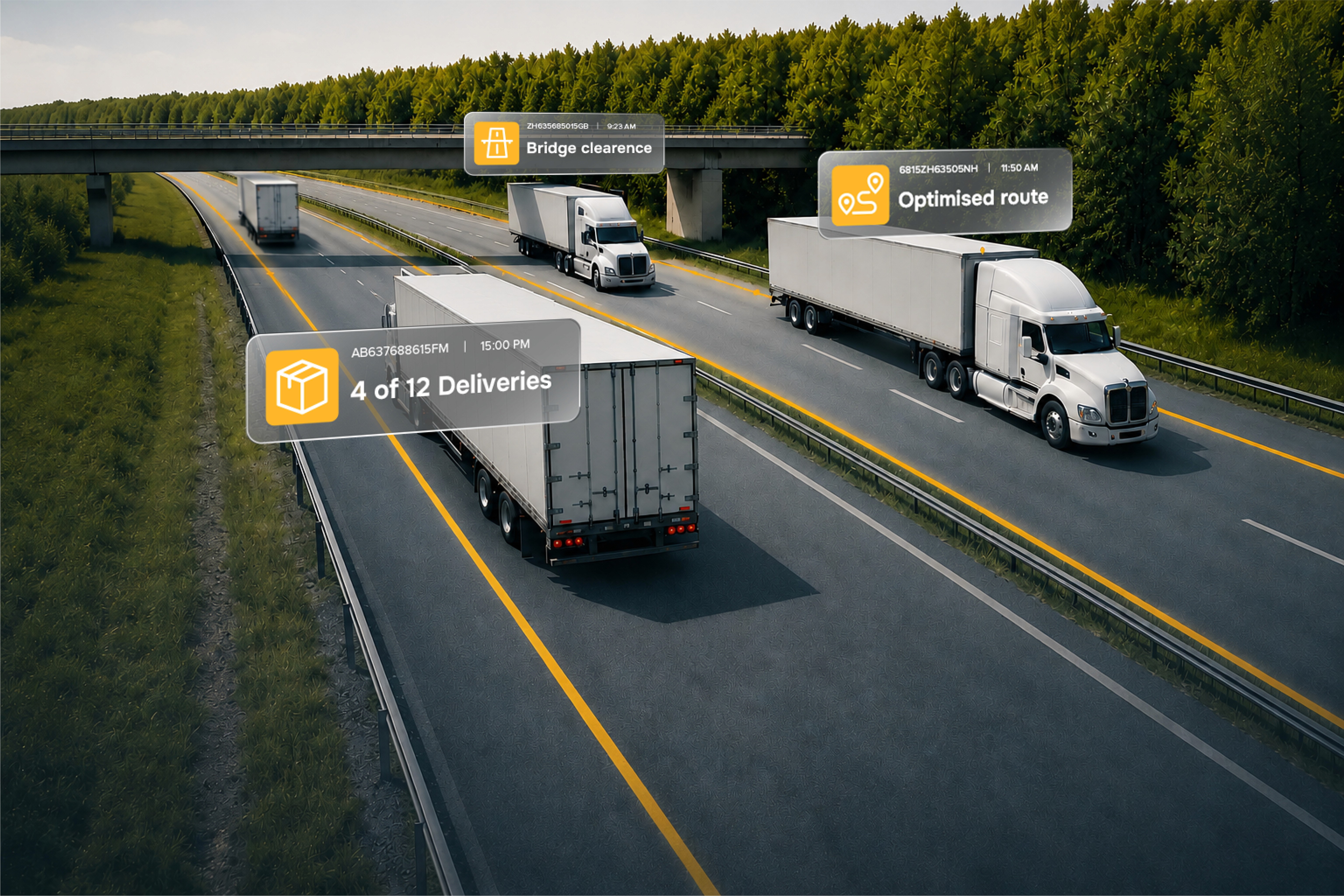
Here’s the truth: your customers don’t see departments. They see one company, one brand and one promise.
Sales makes the promise. Customer Service manages expectations. Operations and Delivery execute on the ground.
When Sales commits to a delivery date, Customer Service reassures the customer it’s on track, and Operations gets it there, that’s not three separate successes. To the customer, it’s one experience. And that experience can either build loyalty or break trust.
The problem is that many businesses still operate in silos. When those teams don’t share the same information, friction starts to appear.
What happens when Sales, Customer Service and Operations are disconnected?
Sales has promised a customer delivery by Friday. Friday arrives and the customer calls Customer Service asking for an ETA. Customer Service can’t see the latest delivery information, so they contact Dispatch. Dispatch contacts the driver. The answer eventually makes its way back to the customer. It’s hours later.
Everyone has done their job. But has the customer had a good experience? Probably not.
Disconnected teams | Connected teams |
|---|---|
Sales promises without delivery visibility | Sales understands delivery capability |
Customers chase updates | Customers receive proactive updates |
Customer Service calls Operations | Customer Service sees live delivery status |
Drivers are interrupted for ETAs | Delivery information is available centrally |
Problems are discovered reactively | Exceptions can be identified earlier |
Field insights stay in the field | Customer information flows back into the business |
This is where delivery management software can do more than improve logistics. It can connect the people responsible for the entire customer experience.
Sales needs the confidence to promise
Sales teams want to tell customers, “Yes, we can deliver.” But those promises need to reflect what Operations can achieve. When Sales has greater confidence in delivery performance, logistics itself can become part of the value proposition.
Oxworks provides a good example. After implementing Radaro, Oxworks doubled its daily deliveries while maintaining a 4.6-star delivery rating. That delivery performance gave Sales something tangible to take into customer conversations. Reliability is no longer just an Operations KPI. It can become a competitive differentiator. Explore more Radaro customer case studies.
Customer Service needs visibility to reassure
Customer Service is often caught in the middle. They’re responsible for helping the customer, but they may not control (or even be able to see) what is happening with the delivery.
That leads to the question every delivery-heavy business knows: “Where’s my order?”
With real-time delivery visibility, Customer Service can see what is happening without chasing another department for answers. Customers can also receive proactive notifications and tracking information before they need to call. That means:
fewer “where is my order” or WISMO enquiries;
faster answers;
fewer internal calls;
earlier management of delivery exceptions; and
a more transparent customer experience.
For the customer, it feels like they’re dealing with one informed business, rather than several disconnected departments.
Operations need the data to deliver
Operations sit at the centre of the promise. It needs to coordinate drivers, vehicles, routes, delivery windows, customer requirements and unexpected changes throughout the day.
But the information also needs to flow the other way.
What happened at the customer site?
Was the delivery successful?
Was there an issue?
What did the customer say?
Proof of delivery can capture information such as photos, signatures and timestamps, giving other teams a clear record of what occurred. This becomes particularly valuable when something goes wrong.
Your delivery team is part of the customer experience
Drivers and field teams aren't separate from your brand. To many customers, they are your brand. They may be the only people from your business the customer sees face-to-face.
And those interactions can produce valuable information.
Customer feedback. Site requirements. Service issues. New needs. Potential opportunities.
One Radaro client demonstrated just how valuable that connection can become. Its delivery and installation teams generated an additional $1 million in revenue when they had the tools to capture customer opportunities and connect those insights back to the teams that could act on them.
The point isn't to turn drivers into salespeople. It's to stop valuable customer intelligence disappearing at the end of the delivery.
One customer. One experience. One promise.
Connecting Sales, Customer Service and Operations isn't simply about making delivery more efficient. It's about creating a consistent customer experience.
Sales needs the confidence to promise. Customer Service needs the visibility to reassure. Operations need the information to execute. And the business needs the data to understand what happened and continually improve.
When those teams share the same view of the customer journey, every delivery becomes an opportunity to reinforce trust, strengthen the relationship and protect future revenue.
Because your customer doesn't care which department delivered the experience. They just know it was your business.
Learn more about connecting your delivery operation with Radaro.
Frequently Asked Questions
Why should Sales have visibility of delivery performance?
Delivery performance helps Sales set realistic expectations and demonstrate service reliability to customers.
How does delivery visibility help Customer Service?
It gives Customer Service access to current delivery information, reducing the need to contact Dispatch or drivers whenever a customer asks for an update.
How can Operations improve the customer experience?
Reliable execution, proactive exception management, accurate delivery information and proof of delivery all contribute to a smoother customer experience.
Can delivery teams help identify sales opportunities?
Yes. Field teams interact directly with customers and can capture useful information about customer needs and opportunities for other teams to follow up.
How does delivery management software connect different departments?
It creates a shared source of delivery information that Sales, Customer Service and Operations can use to understand delivery status, customer communication and performance.
Here’s the truth: your customers don’t see departments. They see one company, one brand and one promise.
Sales makes the promise. Customer Service manages expectations. Operations and Delivery execute on the ground.
When Sales commits to a delivery date, Customer Service reassures the customer it’s on track, and Operations gets it there, that’s not three separate successes. To the customer, it’s one experience. And that experience can either build loyalty or break trust.
The problem is that many businesses still operate in silos. When those teams don’t share the same information, friction starts to appear.
What happens when Sales, Customer Service and Operations are disconnected?
Sales has promised a customer delivery by Friday. Friday arrives and the customer calls Customer Service asking for an ETA. Customer Service can’t see the latest delivery information, so they contact Dispatch. Dispatch contacts the driver. The answer eventually makes its way back to the customer. It’s hours later.
Everyone has done their job. But has the customer had a good experience? Probably not.
Disconnected teams | Connected teams |
|---|---|
Sales promises without delivery visibility | Sales understands delivery capability |
Customers chase updates | Customers receive proactive updates |
Customer Service calls Operations | Customer Service sees live delivery status |
Drivers are interrupted for ETAs | Delivery information is available centrally |
Problems are discovered reactively | Exceptions can be identified earlier |
Field insights stay in the field | Customer information flows back into the business |
This is where delivery management software can do more than improve logistics. It can connect the people responsible for the entire customer experience.
Sales needs the confidence to promise
Sales teams want to tell customers, “Yes, we can deliver.” But those promises need to reflect what Operations can achieve. When Sales has greater confidence in delivery performance, logistics itself can become part of the value proposition.
Oxworks provides a good example. After implementing Radaro, Oxworks doubled its daily deliveries while maintaining a 4.6-star delivery rating. That delivery performance gave Sales something tangible to take into customer conversations. Reliability is no longer just an Operations KPI. It can become a competitive differentiator. Explore more Radaro customer case studies.
Customer Service needs visibility to reassure
Customer Service is often caught in the middle. They’re responsible for helping the customer, but they may not control (or even be able to see) what is happening with the delivery.
That leads to the question every delivery-heavy business knows: “Where’s my order?”
With real-time delivery visibility, Customer Service can see what is happening without chasing another department for answers. Customers can also receive proactive notifications and tracking information before they need to call. That means:
fewer “where is my order” or WISMO enquiries;
faster answers;
fewer internal calls;
earlier management of delivery exceptions; and
a more transparent customer experience.
For the customer, it feels like they’re dealing with one informed business, rather than several disconnected departments.
Operations need the data to deliver
Operations sit at the centre of the promise. It needs to coordinate drivers, vehicles, routes, delivery windows, customer requirements and unexpected changes throughout the day.
But the information also needs to flow the other way.
What happened at the customer site?
Was the delivery successful?
Was there an issue?
What did the customer say?
Proof of delivery can capture information such as photos, signatures and timestamps, giving other teams a clear record of what occurred. This becomes particularly valuable when something goes wrong.
Your delivery team is part of the customer experience
Drivers and field teams aren't separate from your brand. To many customers, they are your brand. They may be the only people from your business the customer sees face-to-face.
And those interactions can produce valuable information.
Customer feedback. Site requirements. Service issues. New needs. Potential opportunities.
One Radaro client demonstrated just how valuable that connection can become. Its delivery and installation teams generated an additional $1 million in revenue when they had the tools to capture customer opportunities and connect those insights back to the teams that could act on them.
The point isn't to turn drivers into salespeople. It's to stop valuable customer intelligence disappearing at the end of the delivery.
One customer. One experience. One promise.
Connecting Sales, Customer Service and Operations isn't simply about making delivery more efficient. It's about creating a consistent customer experience.
Sales needs the confidence to promise. Customer Service needs the visibility to reassure. Operations need the information to execute. And the business needs the data to understand what happened and continually improve.
When those teams share the same view of the customer journey, every delivery becomes an opportunity to reinforce trust, strengthen the relationship and protect future revenue.
Because your customer doesn't care which department delivered the experience. They just know it was your business.
Learn more about connecting your delivery operation with Radaro.
Frequently Asked Questions
Why should Sales have visibility of delivery performance?
Delivery performance helps Sales set realistic expectations and demonstrate service reliability to customers.
How does delivery visibility help Customer Service?
It gives Customer Service access to current delivery information, reducing the need to contact Dispatch or drivers whenever a customer asks for an update.
How can Operations improve the customer experience?
Reliable execution, proactive exception management, accurate delivery information and proof of delivery all contribute to a smoother customer experience.
Can delivery teams help identify sales opportunities?
Yes. Field teams interact directly with customers and can capture useful information about customer needs and opportunities for other teams to follow up.
How does delivery management software connect different departments?
It creates a shared source of delivery information that Sales, Customer Service and Operations can use to understand delivery status, customer communication and performance.
Subscribe to our Newsletter
Get Started with Radaro
Last mile delivery software designed for complex, real-world logistics.


Here’s the truth: your customers don’t see departments. They see one company, one brand and one promise.
Sales makes the promise. Customer Service manages expectations. Operations and Delivery execute on the ground.
When Sales commits to a delivery date, Customer Service reassures the customer it’s on track, and Operations gets it there, that’s not three separate successes. To the customer, it’s one experience. And that experience can either build loyalty or break trust.
The problem is that many businesses still operate in silos. When those teams don’t share the same information, friction starts to appear.
What happens when Sales, Customer Service and Operations are disconnected?
Sales has promised a customer delivery by Friday. Friday arrives and the customer calls Customer Service asking for an ETA. Customer Service can’t see the latest delivery information, so they contact Dispatch. Dispatch contacts the driver. The answer eventually makes its way back to the customer. It’s hours later.
Everyone has done their job. But has the customer had a good experience? Probably not.
Disconnected teams | Connected teams |
|---|---|
Sales promises without delivery visibility | Sales understands delivery capability |
Customers chase updates | Customers receive proactive updates |
Customer Service calls Operations | Customer Service sees live delivery status |
Drivers are interrupted for ETAs | Delivery information is available centrally |
Problems are discovered reactively | Exceptions can be identified earlier |
Field insights stay in the field | Customer information flows back into the business |
This is where delivery management software can do more than improve logistics. It can connect the people responsible for the entire customer experience.
Sales needs the confidence to promise
Sales teams want to tell customers, “Yes, we can deliver.” But those promises need to reflect what Operations can achieve. When Sales has greater confidence in delivery performance, logistics itself can become part of the value proposition.
Oxworks provides a good example. After implementing Radaro, Oxworks doubled its daily deliveries while maintaining a 4.6-star delivery rating. That delivery performance gave Sales something tangible to take into customer conversations. Reliability is no longer just an Operations KPI. It can become a competitive differentiator. Explore more Radaro customer case studies.
Customer Service needs visibility to reassure
Customer Service is often caught in the middle. They’re responsible for helping the customer, but they may not control (or even be able to see) what is happening with the delivery.
That leads to the question every delivery-heavy business knows: “Where’s my order?”
With real-time delivery visibility, Customer Service can see what is happening without chasing another department for answers. Customers can also receive proactive notifications and tracking information before they need to call. That means:
fewer “where is my order” or WISMO enquiries;
faster answers;
fewer internal calls;
earlier management of delivery exceptions; and
a more transparent customer experience.
For the customer, it feels like they’re dealing with one informed business, rather than several disconnected departments.
Operations need the data to deliver
Operations sit at the centre of the promise. It needs to coordinate drivers, vehicles, routes, delivery windows, customer requirements and unexpected changes throughout the day.
But the information also needs to flow the other way.
What happened at the customer site?
Was the delivery successful?
Was there an issue?
What did the customer say?
Proof of delivery can capture information such as photos, signatures and timestamps, giving other teams a clear record of what occurred. This becomes particularly valuable when something goes wrong.
Your delivery team is part of the customer experience
Drivers and field teams aren't separate from your brand. To many customers, they are your brand. They may be the only people from your business the customer sees face-to-face.
And those interactions can produce valuable information.
Customer feedback. Site requirements. Service issues. New needs. Potential opportunities.
One Radaro client demonstrated just how valuable that connection can become. Its delivery and installation teams generated an additional $1 million in revenue when they had the tools to capture customer opportunities and connect those insights back to the teams that could act on them.
The point isn't to turn drivers into salespeople. It's to stop valuable customer intelligence disappearing at the end of the delivery.
One customer. One experience. One promise.
Connecting Sales, Customer Service and Operations isn't simply about making delivery more efficient. It's about creating a consistent customer experience.
Sales needs the confidence to promise. Customer Service needs the visibility to reassure. Operations need the information to execute. And the business needs the data to understand what happened and continually improve.
When those teams share the same view of the customer journey, every delivery becomes an opportunity to reinforce trust, strengthen the relationship and protect future revenue.
Because your customer doesn't care which department delivered the experience. They just know it was your business.
Learn more about connecting your delivery operation with Radaro.
Frequently Asked Questions
Why should Sales have visibility of delivery performance?
Delivery performance helps Sales set realistic expectations and demonstrate service reliability to customers.
How does delivery visibility help Customer Service?
It gives Customer Service access to current delivery information, reducing the need to contact Dispatch or drivers whenever a customer asks for an update.
How can Operations improve the customer experience?
Reliable execution, proactive exception management, accurate delivery information and proof of delivery all contribute to a smoother customer experience.
Can delivery teams help identify sales opportunities?
Yes. Field teams interact directly with customers and can capture useful information about customer needs and opportunities for other teams to follow up.
How does delivery management software connect different departments?
It creates a shared source of delivery information that Sales, Customer Service and Operations can use to understand delivery status, customer communication and performance.
Subscribe to our Newsletter
Get Started with Radaro
Last mile delivery software designed for complex, real-world logistics.
Related Posts
Related Posts
Leader's Digest Insights


Take Control of Your Last Mile
Discover what Radaro can do for you



"/><stop offset="1" stop-color="rgba(114, 163, 190, 0)"/></linearGradient></defs><g d="M 72 37.3 L 96.4 37.3 C 98.6 37.3 100.4 35.7 100.6 33.5 C 100.8 31.3 101.2 27.1 101.2 22.2 C 101.2 17.3 101 14.4 100.7 12.1 C 100.4 9.8 98.7 8.4 96.5 8.4 L 72 8.4 L 72 37.2 Z M 80 30.3 L 77.3 30.3 L 77.3 4.9 L 80 4.9 Z M 71 5.1 C 71.552 5.1 72 5.548 72 6.1 L 72 37.6 C 72 38.152 71.552 38.6 71 38.6 L 1 38.6 C 0.448 38.6 0 38.152 0 37.6 L 0 6.1 C 0 5.548 0.448 5.1 1 5.1 Z M 97.5 37.1 L 5.2 37.1 L 5.2 27.3 L 100.5 27.3 L 100.5 34.1 C 100.5 35.8 99.2 37.1 97.5 37.1 Z M 79.5 31.7 L 99.4 31.7 C 101.6 31.7 103.4 30.1 103.6 27.9 C 103.8 25.7 104.2 21.5 104.2 16.6 C 104.2 12.1 104 8.8 103.7 6.5 C 103.4 4.2 101.7 2.8 99.5 2.8 L 79.5 2.8 L 79.5 31.6 Z M 88.7 28.2 L 94.3 29.3 L 102 30.8 C 101.3 31.3 100.4 31.7 99.4 31.7 L 79.5 31.7 L 79.5 28.2 Z M 76.4 1.2 C 76.952 1.2 77.4 1.648 77.4 2.2 L 77.4 31.9 C 77.4 32.452 76.952 32.9 76.4 32.9 L 6.4 32.9 C 5.848 32.9 5.4 32.452 5.4 31.9 L 5.4 2.2 C 5.4 1.648 5.848 1.2 6.4 1.2 Z M 76.9 32.7 L 5.7 32.7 L 5.7 31.1 L 76.9 31.1 Z M 76.4 1.2 C 76.952 1.2 77.4 1.648 77.4 2.2 L 77.4 31.9 C 77.4 32.452 76.952 32.9 76.4 32.9 L 6.4 32.9 C 5.848 32.9 5.4 32.452 5.4 31.9 L 5.4 2.2 C 5.4 1.648 5.848 1.2 6.4 1.2 Z M 89.3 5.4 C 89 5.4 88.9 5.7 89 6 C 89.5 7.4 91 11.9 91 17.1 C 91 22.3 89.6 26.5 89 27.9 C 88.4 29.3 89 28.4 89.3 28.5 L 93.9 29.2 C 94.3 29.2 94.7 29 94.8 28.7 C 95.4 27.2 96.9 22.9 96.9 17 C 96.9 11.1 95.4 6.7 94.7 5.2 C 94 3.7 94.2 4.6 93.8 4.7 L 89.2 5.5 Z M 85.7 5.1 L 82.1 5.1 C 81.8 5.1 81.6 4.9 81.6 4.6 L 81.6 4.4 C 81.6 4.1 81.8 3.9 82.1 3.9 L 91.9 3.9 L 86.8 5 C 86.4 5 86.1 5.1 85.7 5.1 Z M 85.6 29.2 L 81.9 29.2 C 81.7 29.2 81.5 29.4 81.5 29.6 L 81.5 30 C 81.5 30.2 81.7 30.4 81.9 30.4 L 91.8 30.4 L 86.7 29.3 C 86.3 29.3 85.9 29.2 85.6 29.2 Z M 104.2 16.9 C 104.2 20 104.1 22.6 103.9 24.8 C 103.2 24.7 102.8 24.1 102.8 23.4 L 102.8 11.1 C 102.8 10.4 103.3 9.8 103.9 9.7 C 104 11.6 104.1 14 104.1 16.9 Z M 99.6 3.3 L 100.2 2.9 C 102 3.2 103.5 4.7 103.7 6.6 L 103.7 7 C 103.4 7.2 103.1 7.1 103 7 C 102.7 6.2 101.8 4.8 99.6 4.1 C 99.3 4.1 99.3 3.6 99.6 3.4 Z M 99.6 31.1 L 100.2 31.5 C 102 31.2 103.5 29.7 103.7 27.8 L 103.7 27.4 C 103.4 27.2 103.1 27.3 103 27.4 C 102.7 28.2 101.8 29.6 99.6 30.3 C 99.3 30.3 99.3 30.8 99.6 31 Z M 89.7 2.8 L 88.4 1 C 88.3 0.8 88.4 0.6 88.5 0.4 L 89.1 0 C 89.5 0 89.9 0.2 90.2 0.6 L 90.6 1.2 C 90.9 1.6 91 2.1 91 2.5 L 91 3.7 L 89.7 3.7 L 89.7 2.7 Z M 89.7 31.4 L 88.4 33.2 C 88.3 33.4 88.4 33.6 88.5 33.8 L 89.1 34.2 C 89.5 34.2 89.9 34 90.2 33.6 L 90.6 33 C 90.9 32.6 91 32.1 91 31.7 L 91 30.5 L 89.7 30.5 L 89.7 31.5 Z" fill="transparent" height="38.599999904632575px" id="LuoQ0xnNj" width="104.20000000000002px"><g d="M 72 37.3 L 96.4 37.3 C 98.6 37.3 100.4 35.7 100.6 33.5 C 100.8 31.3 101.2 27.1 101.2 22.2 C 101.2 17.3 101 14.4 100.7 12.1 C 100.4 9.8 98.7 8.4 96.5 8.4 L 72 8.4 L 72 37.2 Z M 80 30.3 L 77.3 30.3 L 77.3 4.9 L 80 4.9 Z M 71 5.1 C 71.552 5.1 72 5.548 72 6.1 L 72 37.6 C 72 38.152 71.552 38.6 71 38.6 L 1 38.6 C 0.448 38.6 0 38.152 0 37.6 L 0 6.1 C 0 5.548 0.448 5.1 1 5.1 Z M 97.5 37.1 L 5.2 37.1 L 5.2 27.3 L 100.5 27.3 L 100.5 34.1 C 100.5 35.8 99.2 37.1 97.5 37.1 Z M 79.5 31.7 L 99.4 31.7 C 101.6 31.7 103.4 30.1 103.6 27.9 C 103.8 25.7 104.2 21.5 104.2 16.6 C 104.2 12.1 104 8.8 103.7 6.5 C 103.4 4.2 101.7 2.8 99.5 2.8 L 79.5 2.8 L 79.5 31.6 Z M 88.7 28.2 L 94.3 29.3 L 102 30.8 C 101.3 31.3 100.4 31.7 99.4 31.7 L 79.5 31.7 L 79.5 28.2 Z M 76.4 1.2 C 76.952 1.2 77.4 1.648 77.4 2.2 L 77.4 31.9 C 77.4 32.452 76.952 32.9 76.4 32.9 L 6.4 32.9 C 5.848 32.9 5.4 32.452 5.4 31.9 L 5.4 2.2 C 5.4 1.648 5.848 1.2 6.4 1.2 Z M 76.9 32.7 L 5.7 32.7 L 5.7 31.1 L 76.9 31.1 Z M 76.4 1.2 C 76.952 1.2 77.4 1.648 77.4 2.2 L 77.4 31.9 C 77.4 32.452 76.952 32.9 76.4 32.9 L 6.4 32.9 C 5.848 32.9 5.4 32.452 5.4 31.9 L 5.4 2.2 C 5.4 1.648 5.848 1.2 6.4 1.2 Z M 89.3 5.4 C 89 5.4 88.9 5.7 89 6 C 89.5 7.4 91 11.9 91 17.1 C 91 22.3 89.6 26.5 89 27.9 C 88.4 29.3 89 28.4 89.3 28.5 L 93.9 29.2 C 94.3 29.2 94.7 29 94.8 28.7 C 95.4 27.2 96.9 22.9 96.9 17 C 96.9 11.1 95.4 6.7 94.7 5.2 C 94 3.7 94.2 4.6 93.8 4.7 L 89.2 5.5 Z M 85.7 5.1 L 82.1 5.1 C 81.8 5.1 81.6 4.9 81.6 4.6 L 81.6 4.4 C 81.6 4.1 81.8 3.9 82.1 3.9 L 91.9 3.9 L 86.8 5 C 86.4 5 86.1 5.1 85.7 5.1 Z M 85.6 29.2 L 81.9 29.2 C 81.7 29.2 81.5 29.4 81.5 29.6 L 81.5 30 C 81.5 30.2 81.7 30.4 81.9 30.4 L 91.8 30.4 L 86.7 29.3 C 86.3 29.3 85.9 29.2 85.6 29.2 Z M 104.2 16.9 C 104.2 20 104.1 22.6 103.9 24.8 C 103.2 24.7 102.8 24.1 102.8 23.4 L 102.8 11.1 C 102.8 10.4 103.3 9.8 103.9 9.7 C 104 11.6 104.1 14 104.1 16.9 Z M 99.6 3.3 L 100.2 2.9 C 102 3.2 103.5 4.7 103.7 6.6 L 103.7 7 C 103.4 7.2 103.1 7.1 103 7 C 102.7 6.2 101.8 4.8 99.6 4.1 C 99.3 4.1 99.3 3.6 99.6 3.4 Z M 99.6 31.1 L 100.2 31.5 C 102 31.2 103.5 29.7 103.7 27.8 L 103.7 27.4 C 103.4 27.2 103.1 27.3 103 27.4 C 102.7 28.2 101.8 29.6 99.6 30.3 C 99.3 30.3 99.3 30.8 99.6 31 Z M 89.7 2.8 L 88.4 1 C 88.3 0.8 88.4 0.6 88.5 0.4 L 89.1 0 C 89.5 0 89.9 0.2 90.2 0.6 L 90.6 1.2 C 90.9 1.6 91 2.1 91 2.5 L 91 3.7 L 89.7 3.7 L 89.7 2.7 Z M 89.7 31.4 L 88.4 33.2 C 88.3 33.4 88.4 33.6 88.5 33.8 L 89.1 34.2 C 89.5 34.2 89.9 34 90.2 33.6 L 90.6 33 C 90.9 32.6 91 32.1 91 31.7 L 91 30.5 L 89.7 30.5 L 89.7 31.5 Z" fill="transparent" height="38.599999904632575px" id="zezgG8Y1q" width="104.20000000000002px"><g opacity="0.4"><path d="M 0 28.9 L 24.4 28.9 C 26.6 28.9 28.4 27.3 28.6 25.1 C 28.8 22.9 29.2 18.7 29.2 13.8 C 29.2 8.9 29 6 28.7 3.7 C 28.4 1.4 26.7 0 24.5 0 L 0 0 L 0 28.8 Z" fill="rgb(215, 227, 232)" height="28.900000000000006px" id="m6px2y2al" transform="translate(72 8.4)" width="29.19999999999999px"/></g><path d="M 2.7 25.4 L 0 25.4 L 0 0 L 2.7 0 Z" fill="rgb(7, 64, 89)" height="25.4px" id="cyMhIGwIO" transform="translate(77.3 4.9)" width="2.700000000000017px"/><g opacity="0.4"><path d="M 71 0 C 71.552 0 72 0.448 72 1 L 72 32.5 C 72 33.052 71.552 33.5 71 33.5 L 1 33.5 C 0.448 33.5 0 33.052 0 32.5 L 0 1 C 0 0.448 0.448 0 1 0 Z" fill="rgb(215, 227, 232)" height="33.50000000000001px" id="V9wSu3WkR" transform="translate(0 5.1)" width="72px"/></g><g opacity="0.8"><path d="M 92.3 9.8 L 0 9.8 L 0 0 L 95.3 0 L 95.3 6.8 C 95.3 8.5 94 9.8 92.3 9.8 Z" fill="url(%23NPpo5c7u7-389490388-linear-gradient)" height="9.800000000000011px" id="NPpo5c7u7" transform="translate(5.2 27.3)" width="95.29999999999998px"/></g><path d="M 0 28.9 L 19.9 28.9 C 22.1 28.9 23.9 27.3 24.1 25.1 C 24.3 22.9 24.7 18.7 24.7 13.8 C 24.7 9.3 24.5 6 24.2 3.7 C 23.9 1.4 22.2 0 20 0 L 0 0 L 0 28.8 Z" fill="rgb(215, 227, 232)" height="28.9px" id="QiYhvoPI2" transform="translate(79.5 2.8)" width="24.700000000000017px"/><g opacity="0.4"><path d="M 9.2 0 L 14.8 1.1 L 22.5 2.6 C 21.8 3.1 20.9 3.5 19.9 3.5 L 0 3.5 L 0 0 Z" fill="rgb(114, 163, 190)" height="3.5px" id="iw09x_5cV" transform="translate(79.5 28.2)" width="22.5px"/></g><path d="M 71 0 C 71.552 0 72 0.448 72 1 L 72 30.7 C 72 31.252 71.552 31.7 71 31.7 L 1 31.7 C 0.448 31.7 0 31.252 0 30.7 L 0 1 C 0 0.448 0.448 0 1 0 Z" fill="rgb(249, 250, 252)" height="31.70000000000001px" id="enHG0Xv5x" transform="translate(5.4 1.2)" width="71.99999999999999px"/><g opacity="0.4"><path d="M 71.2 1.6 L 0 1.6 L 0 0 L 71.2 0 Z" fill="rgb(114, 163, 190)" height="1.6000000000000156px" id="nNlyDyI8O" transform="translate(5.7 31.1)" width="71.20000000000002px"/></g><path d="M 71 0 C 71.552 0 72 0.448 72 1 L 72 30.7 C 72 31.252 71.552 31.7 71 31.7 L 1 31.7 C 0.448 31.7 0 31.252 0 30.7 L 0 1 C 0 0.448 0.448 0 1 0 Z" fill="transparent" height="31.70000000000001px" id="fXaCrMspo" stroke-dasharray="" stroke-linecap="butt" stroke-linejoin="miter" stroke-miterlimit="10" stroke-width="1" stroke="rgb(215, 227, 232)" transform="translate(5.4 1.2)" width="71.99999999999999px"/><path d="M 7.8 1.5 C 7.5 1.5 7.4 1.8 7.5 2.1 C 8 3.5 9.5 8 9.5 13.2 C 9.5 18.4 8.1 22.6 7.5 24 C 6.9 25.4 7.5 24.5 7.8 24.6 L 12.4 25.3 C 12.8 25.3 13.2 25.1 13.3 24.8 C 13.9 23.3 15.4 19 15.4 13.1 C 15.4 7.2 13.9 2.8 13.2 1.3 C 12.5 -0.2 12.7 0.7 12.3 0.8 L 7.7 1.6 Z M 4.2 1.2 L 0.6 1.2 C 0.3 1.2 0.1 1 0.1 0.7 L 0.1 0.5 C 0.1 0.2 0.3 0 0.6 0 L 10.4 0 L 5.3 1.1 C 4.9 1.1 4.6 1.2 4.2 1.2 Z M 4.1 25.3 L 0.4 25.3 C 0.2 25.3 0 25.5 0 25.7 L 0 26.1 C 0 26.3 0.2 26.5 0.4 26.5 L 10.3 26.5 L 5.2 25.4 C 4.8 25.4 4.4 25.3 4.1 25.3 Z M 22.7 13 C 22.7 16.1 22.6 18.7 22.4 20.9 C 21.7 20.8 21.3 20.2 21.3 19.5 L 21.3 7.2 C 21.3 6.5 21.8 5.9 22.4 5.8 C 22.5 7.7 22.6 10.1 22.6 13 Z" fill="rgb(7, 64, 89)" height="26.499999237060543px" id="zg2puoduN" transform="translate(81.5 3.9)" width="22.699999237060524px"/><path d="M 0.225 0.4 L 0.825 0 C 2.625 0.3 4.125 1.8 4.325 3.7 L 4.325 4.1 C 4.025 4.3 3.725 4.2 3.625 4.1 C 3.325 3.3 2.425 1.9 0.225 1.2 C -0.075 1.2 -0.075 0.7 0.225 0.5 Z M 0.225 28.2 L 0.825 28.6 C 2.625 28.3 4.125 26.8 4.325 24.9 L 4.325 24.5 C 4.025 24.3 3.725 24.4 3.625 24.5 C 3.325 25.3 2.425 26.7 0.225 27.4 C -0.075 27.4 -0.075 27.9 0.225 28.1 Z" fill="rgb(255, 184, 41)" height="28.599999167607464px" id="yJQ3TgwJ6" transform="translate(99.375 2.9)" width="4.325000000000017px"/><path d="M 1.341 2.8 L 0.041 1 C -0.059 0.8 0.041 0.6 0.141 0.4 L 0.741 0 C 1.141 0 1.541 0.2 1.841 0.6 L 2.241 1.2 C 2.541 1.6 2.641 2.1 2.641 2.5 L 2.641 3.7 L 1.341 3.7 L 1.341 2.7 Z M 1.341 31.4 L 0.041 33.2 C -0.059 33.4 0.041 33.6 0.141 33.8 L 0.741 34.2 C 1.141 34.2 1.541 34 1.841 33.6 L 2.241 33 C 2.541 32.6 2.641 32.1 2.641 31.7 L 2.641 30.5 L 1.341 30.5 L 1.341 31.5 Z" fill="rgb(7, 64, 89)" height="34.2px" id="QzqBzedlz" transform="translate(88.359 0)" width="2.6414213562373448px"/></g></g></svg>)

Radaro is the intelligent delivery management platform built for complex, real-world supply chains.
Deliver Better At Every Mile.
Company
Radaro © 2026. All rights reserved.
Take Control of Your Last Mile
Discover what Radaro can do for you
Radaro is the intelligent delivery management platform built for complex, real-world supply chains.
Deliver Better At Every Mile.
Company
Radaro © 2026. All rights reserved.
Take Control of Your Last Mile
Discover what Radaro can do for you
Radaro is the intelligent delivery management platform built for complex, real-world supply chains.
Deliver Better At Every Mile.
Radaro © 2026. All rights reserved.
Take Control of Your Last Mile
Discover what Radaro can do for you
Radaro is the intelligent delivery management platform built for complex, real-world supply chains.
Deliver Better At Every Mile.
Company
Radaro © 2026. All rights reserved.
