Leader's Digest
Are Your Sub-Contract Drivers Fair Work Compliant?
Published: Jan 31, 2024
3 Min Read
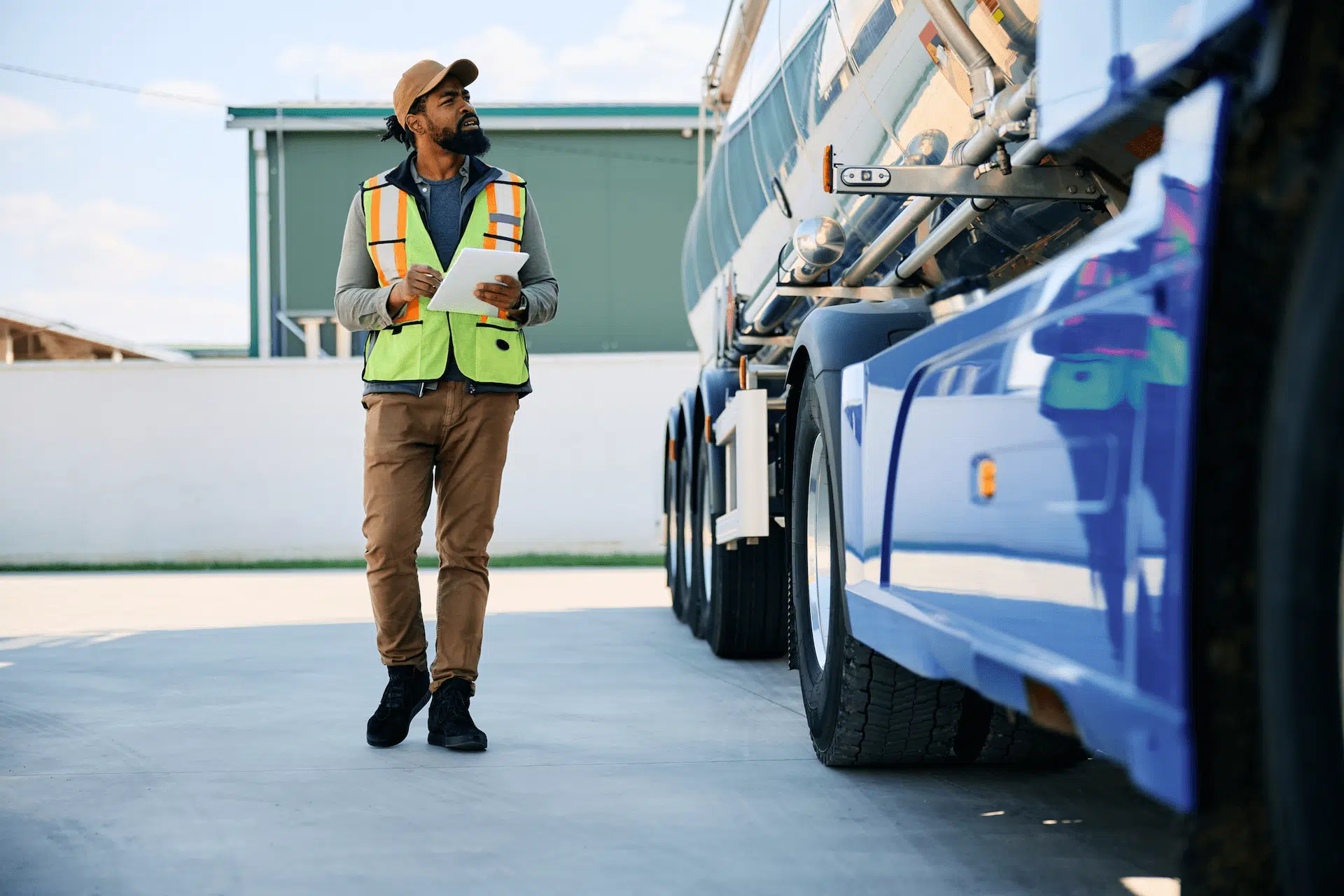
Australia’s last-mile delivery landscape underwent a major regulatory shift in August 2024, when the Fair Work Legislation Amendment introduced new protections for contract couriers and gig economy drivers (Uber etc).
Under the amended framework, many subcontracted drivers, previously classified as independent contractors, are now considered “employee-like workers” or “regulated road transport contractors”. This reclassification grants them entitlements that were once exclusive to employees.
A year on, it’s clear that many businesses still don’t fully understand their obligations under these rules, leaving them exposed to compliance and financial risks.
In this blog, we’ll break down:
What changed under the legislation
What regulated drivers are entitled to
The business implications of those with a supply chain arm
How Radaro is helping you stay ahead
What’s Changed?
To recap, the Fair Work Legislation Amendment created two new worker classifications that introduced expanded protections:
Employee-like workers – typically platform-based gig economy drivers (e.g. Uber, food delivery riders, app-based couriers)
Regulated road transport contractors – independent drivers operating in the transport industry, including subcontracted couriers involved in last-mile delivery.
Previously considered independent contractors, these workers now benefit from a baseline of employment-like protections, designed to curb exploitation and improve industry standards.
Key entitlements now apply
1) Minimum pay rates
While no specific minimum standard has been set for ‘regulated road transport contractors’, regulated drivers must be paid fairly for the work they do, not just per delivery. Based on comparable award rates, this will be between $25.65 – $30.12 per hour.
2) Superannuation and insurance
Employers (or those engaging contract drivers) are now responsible for contributing to superannuation and ensuring workers are covered by appropriate insurance.
3) Unfair termination protections
Regulated workers can no longer be terminated without due process or just cause.
4) Capped hours & required breaks
Regulations now place limits on maximum driving hours and require mandatory rest breaks. For example, drivers are now eligible for a paid 30-minute break after 5.5 hours or work.
5) Vehicle safety & compliance
Responsibility for ensuring that vehicles are roadworthy and compliant may now extend beyond the driver to the engaging party (i.e. the brand or 3PL).
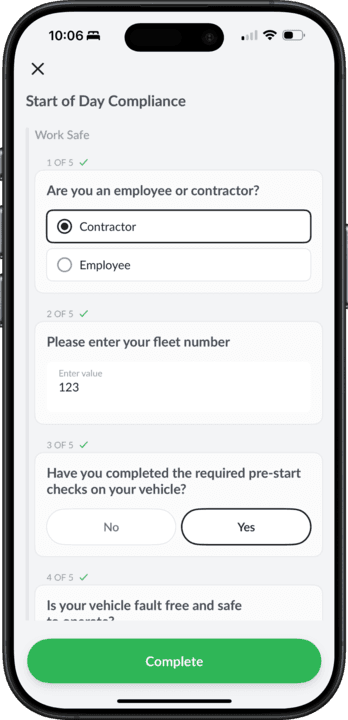
Supply chain accountability
One of the most significant shifts we’ve seen a year on under the Fair Work legislation is the extension of accountability across the entire supply chain. No longer can businesses assume that outsourcing delivery removes their legal or ethical obligations.
Under the 2024 framework, everyone involved in the hiring, management, or delegation of regulated road transport work shares responsibility. This includes:
Retailers and brands engaging 3PLs or courier networks
3PL providers who subcontract to individual drivers
Even if a business is not the direct employer of a driver, it may still be held accountable for breaches relating to:
Underpayment of regulated workers
Failure to provide or allow rest breaks
Unsafe or non-compliant vehicle usage
Unfair contract terminations
What Businesses Must Do Now
If you haven’t done so yet, the below steps are essential to remain compliant and protect both your brand and your bottom line:
1. Review existing contracts
Direct courier agreements: Ensure contracts reflect new obligations like rest breaks, safety expectations, and minimum pay rates
3PL agreements: Include clauses requiring compliance with Fair Work standards and enable auditing of subcontractor treatment
2. Audit for risk and readiness
Track hours worked, breaks taken, and vehicle condition where possible, even for subcontracted drivers
Confirm insurance, licensing, and safety documentation is up to date across your in-house and outsourced fleet
3. Review your delivery model
Assess whether an in-house, outsourced, full-contractor or even a hybrid model might offer better cost control and compliance visibility
How Radaro can help
Radaro clients already benefit from powerful tools that support compliance and transparency:
Driver visibility: Track who’s delivering on your behalf, when, and for how long
Proof of breaks and hours: Use digital logs to monitor working conditions and align with legal requirements
Contractor oversight: Build transparency into your subcontractor network without micromanaging
Want to explore how Radaro can help? Contact Radaro via our website or via email at support@radaro.com.au.
Australia’s last-mile delivery landscape underwent a major regulatory shift in August 2024, when the Fair Work Legislation Amendment introduced new protections for contract couriers and gig economy drivers (Uber etc).
Under the amended framework, many subcontracted drivers, previously classified as independent contractors, are now considered “employee-like workers” or “regulated road transport contractors”. This reclassification grants them entitlements that were once exclusive to employees.
A year on, it’s clear that many businesses still don’t fully understand their obligations under these rules, leaving them exposed to compliance and financial risks.
In this blog, we’ll break down:
What changed under the legislation
What regulated drivers are entitled to
The business implications of those with a supply chain arm
How Radaro is helping you stay ahead
What’s Changed?
To recap, the Fair Work Legislation Amendment created two new worker classifications that introduced expanded protections:
Employee-like workers – typically platform-based gig economy drivers (e.g. Uber, food delivery riders, app-based couriers)
Regulated road transport contractors – independent drivers operating in the transport industry, including subcontracted couriers involved in last-mile delivery.
Previously considered independent contractors, these workers now benefit from a baseline of employment-like protections, designed to curb exploitation and improve industry standards.
Key entitlements now apply
1) Minimum pay rates
While no specific minimum standard has been set for ‘regulated road transport contractors’, regulated drivers must be paid fairly for the work they do, not just per delivery. Based on comparable award rates, this will be between $25.65 – $30.12 per hour.
2) Superannuation and insurance
Employers (or those engaging contract drivers) are now responsible for contributing to superannuation and ensuring workers are covered by appropriate insurance.
3) Unfair termination protections
Regulated workers can no longer be terminated without due process or just cause.
4) Capped hours & required breaks
Regulations now place limits on maximum driving hours and require mandatory rest breaks. For example, drivers are now eligible for a paid 30-minute break after 5.5 hours or work.
5) Vehicle safety & compliance
Responsibility for ensuring that vehicles are roadworthy and compliant may now extend beyond the driver to the engaging party (i.e. the brand or 3PL).
Supply chain accountability
One of the most significant shifts we’ve seen a year on under the Fair Work legislation is the extension of accountability across the entire supply chain. No longer can businesses assume that outsourcing delivery removes their legal or ethical obligations.
Under the 2024 framework, everyone involved in the hiring, management, or delegation of regulated road transport work shares responsibility. This includes:
Retailers and brands engaging 3PLs or courier networks
3PL providers who subcontract to individual drivers
Even if a business is not the direct employer of a driver, it may still be held accountable for breaches relating to:
Underpayment of regulated workers
Failure to provide or allow rest breaks
Unsafe or non-compliant vehicle usage
Unfair contract terminations
What Businesses Must Do Now
If you haven’t done so yet, the below steps are essential to remain compliant and protect both your brand and your bottom line:
1. Review existing contracts
Direct courier agreements: Ensure contracts reflect new obligations like rest breaks, safety expectations, and minimum pay rates
3PL agreements: Include clauses requiring compliance with Fair Work standards and enable auditing of subcontractor treatment
2. Audit for risk and readiness
Track hours worked, breaks taken, and vehicle condition where possible, even for subcontracted drivers
Confirm insurance, licensing, and safety documentation is up to date across your in-house and outsourced fleet
3. Review your delivery model
Assess whether an in-house, outsourced, full-contractor or even a hybrid model might offer better cost control and compliance visibility
How Radaro can help
Radaro clients already benefit from powerful tools that support compliance and transparency:
Driver visibility: Track who’s delivering on your behalf, when, and for how long
Proof of breaks and hours: Use digital logs to monitor working conditions and align with legal requirements
Contractor oversight: Build transparency into your subcontractor network without micromanaging
Want to explore how Radaro can help? Contact Radaro via our website or via email at support@radaro.com.au.
Subscribe to our Newsletter


Get Started with Radaro
Last mile delivery software designed for complex, real-world logistics.


Australia’s last-mile delivery landscape underwent a major regulatory shift in August 2024, when the Fair Work Legislation Amendment introduced new protections for contract couriers and gig economy drivers (Uber etc).
Under the amended framework, many subcontracted drivers, previously classified as independent contractors, are now considered “employee-like workers” or “regulated road transport contractors”. This reclassification grants them entitlements that were once exclusive to employees.
A year on, it’s clear that many businesses still don’t fully understand their obligations under these rules, leaving them exposed to compliance and financial risks.
In this blog, we’ll break down:
What changed under the legislation
What regulated drivers are entitled to
The business implications of those with a supply chain arm
How Radaro is helping you stay ahead
What’s Changed?
To recap, the Fair Work Legislation Amendment created two new worker classifications that introduced expanded protections:
Employee-like workers – typically platform-based gig economy drivers (e.g. Uber, food delivery riders, app-based couriers)
Regulated road transport contractors – independent drivers operating in the transport industry, including subcontracted couriers involved in last-mile delivery.
Previously considered independent contractors, these workers now benefit from a baseline of employment-like protections, designed to curb exploitation and improve industry standards.
Key entitlements now apply
1) Minimum pay rates
While no specific minimum standard has been set for ‘regulated road transport contractors’, regulated drivers must be paid fairly for the work they do, not just per delivery. Based on comparable award rates, this will be between $25.65 – $30.12 per hour.
2) Superannuation and insurance
Employers (or those engaging contract drivers) are now responsible for contributing to superannuation and ensuring workers are covered by appropriate insurance.
3) Unfair termination protections
Regulated workers can no longer be terminated without due process or just cause.
4) Capped hours & required breaks
Regulations now place limits on maximum driving hours and require mandatory rest breaks. For example, drivers are now eligible for a paid 30-minute break after 5.5 hours or work.
5) Vehicle safety & compliance
Responsibility for ensuring that vehicles are roadworthy and compliant may now extend beyond the driver to the engaging party (i.e. the brand or 3PL).
Supply chain accountability
One of the most significant shifts we’ve seen a year on under the Fair Work legislation is the extension of accountability across the entire supply chain. No longer can businesses assume that outsourcing delivery removes their legal or ethical obligations.
Under the 2024 framework, everyone involved in the hiring, management, or delegation of regulated road transport work shares responsibility. This includes:
Retailers and brands engaging 3PLs or courier networks
3PL providers who subcontract to individual drivers
Even if a business is not the direct employer of a driver, it may still be held accountable for breaches relating to:
Underpayment of regulated workers
Failure to provide or allow rest breaks
Unsafe or non-compliant vehicle usage
Unfair contract terminations
What Businesses Must Do Now
If you haven’t done so yet, the below steps are essential to remain compliant and protect both your brand and your bottom line:
1. Review existing contracts
Direct courier agreements: Ensure contracts reflect new obligations like rest breaks, safety expectations, and minimum pay rates
3PL agreements: Include clauses requiring compliance with Fair Work standards and enable auditing of subcontractor treatment
2. Audit for risk and readiness
Track hours worked, breaks taken, and vehicle condition where possible, even for subcontracted drivers
Confirm insurance, licensing, and safety documentation is up to date across your in-house and outsourced fleet
3. Review your delivery model
Assess whether an in-house, outsourced, full-contractor or even a hybrid model might offer better cost control and compliance visibility
How Radaro can help
Radaro clients already benefit from powerful tools that support compliance and transparency:
Driver visibility: Track who’s delivering on your behalf, when, and for how long
Proof of breaks and hours: Use digital logs to monitor working conditions and align with legal requirements
Contractor oversight: Build transparency into your subcontractor network without micromanaging
Want to explore how Radaro can help? Contact Radaro via our website or via email at support@radaro.com.au.
Subscribe to our Newsletter
Get Started with Radaro
Last mile delivery software designed for complex, real-world logistics.
Related Posts
Related Posts
Leader's Digest Insights


Take Control of Your Last Mile
Discover what Radaro can do for you



"/><stop offset="1" stop-color="rgba(114, 163, 190, 0)"/></linearGradient></defs><g d="M 72 37.3 L 96.4 37.3 C 98.6 37.3 100.4 35.7 100.6 33.5 C 100.8 31.3 101.2 27.1 101.2 22.2 C 101.2 17.3 101 14.4 100.7 12.1 C 100.4 9.8 98.7 8.4 96.5 8.4 L 72 8.4 L 72 37.2 Z M 80 30.3 L 77.3 30.3 L 77.3 4.9 L 80 4.9 Z M 71 5.1 C 71.552 5.1 72 5.548 72 6.1 L 72 37.6 C 72 38.152 71.552 38.6 71 38.6 L 1 38.6 C 0.448 38.6 0 38.152 0 37.6 L 0 6.1 C 0 5.548 0.448 5.1 1 5.1 Z M 97.5 37.1 L 5.2 37.1 L 5.2 27.3 L 100.5 27.3 L 100.5 34.1 C 100.5 35.8 99.2 37.1 97.5 37.1 Z M 79.5 31.7 L 99.4 31.7 C 101.6 31.7 103.4 30.1 103.6 27.9 C 103.8 25.7 104.2 21.5 104.2 16.6 C 104.2 12.1 104 8.8 103.7 6.5 C 103.4 4.2 101.7 2.8 99.5 2.8 L 79.5 2.8 L 79.5 31.6 Z M 88.7 28.2 L 94.3 29.3 L 102 30.8 C 101.3 31.3 100.4 31.7 99.4 31.7 L 79.5 31.7 L 79.5 28.2 Z M 76.4 1.2 C 76.952 1.2 77.4 1.648 77.4 2.2 L 77.4 31.9 C 77.4 32.452 76.952 32.9 76.4 32.9 L 6.4 32.9 C 5.848 32.9 5.4 32.452 5.4 31.9 L 5.4 2.2 C 5.4 1.648 5.848 1.2 6.4 1.2 Z M 76.9 32.7 L 5.7 32.7 L 5.7 31.1 L 76.9 31.1 Z M 76.4 1.2 C 76.952 1.2 77.4 1.648 77.4 2.2 L 77.4 31.9 C 77.4 32.452 76.952 32.9 76.4 32.9 L 6.4 32.9 C 5.848 32.9 5.4 32.452 5.4 31.9 L 5.4 2.2 C 5.4 1.648 5.848 1.2 6.4 1.2 Z M 89.3 5.4 C 89 5.4 88.9 5.7 89 6 C 89.5 7.4 91 11.9 91 17.1 C 91 22.3 89.6 26.5 89 27.9 C 88.4 29.3 89 28.4 89.3 28.5 L 93.9 29.2 C 94.3 29.2 94.7 29 94.8 28.7 C 95.4 27.2 96.9 22.9 96.9 17 C 96.9 11.1 95.4 6.7 94.7 5.2 C 94 3.7 94.2 4.6 93.8 4.7 L 89.2 5.5 Z M 85.7 5.1 L 82.1 5.1 C 81.8 5.1 81.6 4.9 81.6 4.6 L 81.6 4.4 C 81.6 4.1 81.8 3.9 82.1 3.9 L 91.9 3.9 L 86.8 5 C 86.4 5 86.1 5.1 85.7 5.1 Z M 85.6 29.2 L 81.9 29.2 C 81.7 29.2 81.5 29.4 81.5 29.6 L 81.5 30 C 81.5 30.2 81.7 30.4 81.9 30.4 L 91.8 30.4 L 86.7 29.3 C 86.3 29.3 85.9 29.2 85.6 29.2 Z M 104.2 16.9 C 104.2 20 104.1 22.6 103.9 24.8 C 103.2 24.7 102.8 24.1 102.8 23.4 L 102.8 11.1 C 102.8 10.4 103.3 9.8 103.9 9.7 C 104 11.6 104.1 14 104.1 16.9 Z M 99.6 3.3 L 100.2 2.9 C 102 3.2 103.5 4.7 103.7 6.6 L 103.7 7 C 103.4 7.2 103.1 7.1 103 7 C 102.7 6.2 101.8 4.8 99.6 4.1 C 99.3 4.1 99.3 3.6 99.6 3.4 Z M 99.6 31.1 L 100.2 31.5 C 102 31.2 103.5 29.7 103.7 27.8 L 103.7 27.4 C 103.4 27.2 103.1 27.3 103 27.4 C 102.7 28.2 101.8 29.6 99.6 30.3 C 99.3 30.3 99.3 30.8 99.6 31 Z M 89.7 2.8 L 88.4 1 C 88.3 0.8 88.4 0.6 88.5 0.4 L 89.1 0 C 89.5 0 89.9 0.2 90.2 0.6 L 90.6 1.2 C 90.9 1.6 91 2.1 91 2.5 L 91 3.7 L 89.7 3.7 L 89.7 2.7 Z M 89.7 31.4 L 88.4 33.2 C 88.3 33.4 88.4 33.6 88.5 33.8 L 89.1 34.2 C 89.5 34.2 89.9 34 90.2 33.6 L 90.6 33 C 90.9 32.6 91 32.1 91 31.7 L 91 30.5 L 89.7 30.5 L 89.7 31.5 Z" fill="transparent" height="38.599999904632575px" id="LuoQ0xnNj" width="104.20000000000002px"><g d="M 72 37.3 L 96.4 37.3 C 98.6 37.3 100.4 35.7 100.6 33.5 C 100.8 31.3 101.2 27.1 101.2 22.2 C 101.2 17.3 101 14.4 100.7 12.1 C 100.4 9.8 98.7 8.4 96.5 8.4 L 72 8.4 L 72 37.2 Z M 80 30.3 L 77.3 30.3 L 77.3 4.9 L 80 4.9 Z M 71 5.1 C 71.552 5.1 72 5.548 72 6.1 L 72 37.6 C 72 38.152 71.552 38.6 71 38.6 L 1 38.6 C 0.448 38.6 0 38.152 0 37.6 L 0 6.1 C 0 5.548 0.448 5.1 1 5.1 Z M 97.5 37.1 L 5.2 37.1 L 5.2 27.3 L 100.5 27.3 L 100.5 34.1 C 100.5 35.8 99.2 37.1 97.5 37.1 Z M 79.5 31.7 L 99.4 31.7 C 101.6 31.7 103.4 30.1 103.6 27.9 C 103.8 25.7 104.2 21.5 104.2 16.6 C 104.2 12.1 104 8.8 103.7 6.5 C 103.4 4.2 101.7 2.8 99.5 2.8 L 79.5 2.8 L 79.5 31.6 Z M 88.7 28.2 L 94.3 29.3 L 102 30.8 C 101.3 31.3 100.4 31.7 99.4 31.7 L 79.5 31.7 L 79.5 28.2 Z M 76.4 1.2 C 76.952 1.2 77.4 1.648 77.4 2.2 L 77.4 31.9 C 77.4 32.452 76.952 32.9 76.4 32.9 L 6.4 32.9 C 5.848 32.9 5.4 32.452 5.4 31.9 L 5.4 2.2 C 5.4 1.648 5.848 1.2 6.4 1.2 Z M 76.9 32.7 L 5.7 32.7 L 5.7 31.1 L 76.9 31.1 Z M 76.4 1.2 C 76.952 1.2 77.4 1.648 77.4 2.2 L 77.4 31.9 C 77.4 32.452 76.952 32.9 76.4 32.9 L 6.4 32.9 C 5.848 32.9 5.4 32.452 5.4 31.9 L 5.4 2.2 C 5.4 1.648 5.848 1.2 6.4 1.2 Z M 89.3 5.4 C 89 5.4 88.9 5.7 89 6 C 89.5 7.4 91 11.9 91 17.1 C 91 22.3 89.6 26.5 89 27.9 C 88.4 29.3 89 28.4 89.3 28.5 L 93.9 29.2 C 94.3 29.2 94.7 29 94.8 28.7 C 95.4 27.2 96.9 22.9 96.9 17 C 96.9 11.1 95.4 6.7 94.7 5.2 C 94 3.7 94.2 4.6 93.8 4.7 L 89.2 5.5 Z M 85.7 5.1 L 82.1 5.1 C 81.8 5.1 81.6 4.9 81.6 4.6 L 81.6 4.4 C 81.6 4.1 81.8 3.9 82.1 3.9 L 91.9 3.9 L 86.8 5 C 86.4 5 86.1 5.1 85.7 5.1 Z M 85.6 29.2 L 81.9 29.2 C 81.7 29.2 81.5 29.4 81.5 29.6 L 81.5 30 C 81.5 30.2 81.7 30.4 81.9 30.4 L 91.8 30.4 L 86.7 29.3 C 86.3 29.3 85.9 29.2 85.6 29.2 Z M 104.2 16.9 C 104.2 20 104.1 22.6 103.9 24.8 C 103.2 24.7 102.8 24.1 102.8 23.4 L 102.8 11.1 C 102.8 10.4 103.3 9.8 103.9 9.7 C 104 11.6 104.1 14 104.1 16.9 Z M 99.6 3.3 L 100.2 2.9 C 102 3.2 103.5 4.7 103.7 6.6 L 103.7 7 C 103.4 7.2 103.1 7.1 103 7 C 102.7 6.2 101.8 4.8 99.6 4.1 C 99.3 4.1 99.3 3.6 99.6 3.4 Z M 99.6 31.1 L 100.2 31.5 C 102 31.2 103.5 29.7 103.7 27.8 L 103.7 27.4 C 103.4 27.2 103.1 27.3 103 27.4 C 102.7 28.2 101.8 29.6 99.6 30.3 C 99.3 30.3 99.3 30.8 99.6 31 Z M 89.7 2.8 L 88.4 1 C 88.3 0.8 88.4 0.6 88.5 0.4 L 89.1 0 C 89.5 0 89.9 0.2 90.2 0.6 L 90.6 1.2 C 90.9 1.6 91 2.1 91 2.5 L 91 3.7 L 89.7 3.7 L 89.7 2.7 Z M 89.7 31.4 L 88.4 33.2 C 88.3 33.4 88.4 33.6 88.5 33.8 L 89.1 34.2 C 89.5 34.2 89.9 34 90.2 33.6 L 90.6 33 C 90.9 32.6 91 32.1 91 31.7 L 91 30.5 L 89.7 30.5 L 89.7 31.5 Z" fill="transparent" height="38.599999904632575px" id="zezgG8Y1q" width="104.20000000000002px"><g opacity="0.4"><path d="M 0 28.9 L 24.4 28.9 C 26.6 28.9 28.4 27.3 28.6 25.1 C 28.8 22.9 29.2 18.7 29.2 13.8 C 29.2 8.9 29 6 28.7 3.7 C 28.4 1.4 26.7 0 24.5 0 L 0 0 L 0 28.8 Z" fill="rgb(215, 227, 232)" height="28.900000000000006px" id="m6px2y2al" transform="translate(72 8.4)" width="29.19999999999999px"/></g><path d="M 2.7 25.4 L 0 25.4 L 0 0 L 2.7 0 Z" fill="rgb(7, 64, 89)" height="25.4px" id="cyMhIGwIO" transform="translate(77.3 4.9)" width="2.700000000000017px"/><g opacity="0.4"><path d="M 71 0 C 71.552 0 72 0.448 72 1 L 72 32.5 C 72 33.052 71.552 33.5 71 33.5 L 1 33.5 C 0.448 33.5 0 33.052 0 32.5 L 0 1 C 0 0.448 0.448 0 1 0 Z" fill="rgb(215, 227, 232)" height="33.50000000000001px" id="V9wSu3WkR" transform="translate(0 5.1)" width="72px"/></g><g opacity="0.8"><path d="M 92.3 9.8 L 0 9.8 L 0 0 L 95.3 0 L 95.3 6.8 C 95.3 8.5 94 9.8 92.3 9.8 Z" fill="url(%23NPpo5c7u7-389490388-linear-gradient)" height="9.800000000000011px" id="NPpo5c7u7" transform="translate(5.2 27.3)" width="95.29999999999998px"/></g><path d="M 0 28.9 L 19.9 28.9 C 22.1 28.9 23.9 27.3 24.1 25.1 C 24.3 22.9 24.7 18.7 24.7 13.8 C 24.7 9.3 24.5 6 24.2 3.7 C 23.9 1.4 22.2 0 20 0 L 0 0 L 0 28.8 Z" fill="rgb(215, 227, 232)" height="28.9px" id="QiYhvoPI2" transform="translate(79.5 2.8)" width="24.700000000000017px"/><g opacity="0.4"><path d="M 9.2 0 L 14.8 1.1 L 22.5 2.6 C 21.8 3.1 20.9 3.5 19.9 3.5 L 0 3.5 L 0 0 Z" fill="rgb(114, 163, 190)" height="3.5px" id="iw09x_5cV" transform="translate(79.5 28.2)" width="22.5px"/></g><path d="M 71 0 C 71.552 0 72 0.448 72 1 L 72 30.7 C 72 31.252 71.552 31.7 71 31.7 L 1 31.7 C 0.448 31.7 0 31.252 0 30.7 L 0 1 C 0 0.448 0.448 0 1 0 Z" fill="rgb(249, 250, 252)" height="31.70000000000001px" id="enHG0Xv5x" transform="translate(5.4 1.2)" width="71.99999999999999px"/><g opacity="0.4"><path d="M 71.2 1.6 L 0 1.6 L 0 0 L 71.2 0 Z" fill="rgb(114, 163, 190)" height="1.6000000000000156px" id="nNlyDyI8O" transform="translate(5.7 31.1)" width="71.20000000000002px"/></g><path d="M 71 0 C 71.552 0 72 0.448 72 1 L 72 30.7 C 72 31.252 71.552 31.7 71 31.7 L 1 31.7 C 0.448 31.7 0 31.252 0 30.7 L 0 1 C 0 0.448 0.448 0 1 0 Z" fill="transparent" height="31.70000000000001px" id="fXaCrMspo" stroke-dasharray="" stroke-linecap="butt" stroke-linejoin="miter" stroke-miterlimit="10" stroke-width="1" stroke="rgb(215, 227, 232)" transform="translate(5.4 1.2)" width="71.99999999999999px"/><path d="M 7.8 1.5 C 7.5 1.5 7.4 1.8 7.5 2.1 C 8 3.5 9.5 8 9.5 13.2 C 9.5 18.4 8.1 22.6 7.5 24 C 6.9 25.4 7.5 24.5 7.8 24.6 L 12.4 25.3 C 12.8 25.3 13.2 25.1 13.3 24.8 C 13.9 23.3 15.4 19 15.4 13.1 C 15.4 7.2 13.9 2.8 13.2 1.3 C 12.5 -0.2 12.7 0.7 12.3 0.8 L 7.7 1.6 Z M 4.2 1.2 L 0.6 1.2 C 0.3 1.2 0.1 1 0.1 0.7 L 0.1 0.5 C 0.1 0.2 0.3 0 0.6 0 L 10.4 0 L 5.3 1.1 C 4.9 1.1 4.6 1.2 4.2 1.2 Z M 4.1 25.3 L 0.4 25.3 C 0.2 25.3 0 25.5 0 25.7 L 0 26.1 C 0 26.3 0.2 26.5 0.4 26.5 L 10.3 26.5 L 5.2 25.4 C 4.8 25.4 4.4 25.3 4.1 25.3 Z M 22.7 13 C 22.7 16.1 22.6 18.7 22.4 20.9 C 21.7 20.8 21.3 20.2 21.3 19.5 L 21.3 7.2 C 21.3 6.5 21.8 5.9 22.4 5.8 C 22.5 7.7 22.6 10.1 22.6 13 Z" fill="rgb(7, 64, 89)" height="26.499999237060543px" id="zg2puoduN" transform="translate(81.5 3.9)" width="22.699999237060524px"/><path d="M 0.225 0.4 L 0.825 0 C 2.625 0.3 4.125 1.8 4.325 3.7 L 4.325 4.1 C 4.025 4.3 3.725 4.2 3.625 4.1 C 3.325 3.3 2.425 1.9 0.225 1.2 C -0.075 1.2 -0.075 0.7 0.225 0.5 Z M 0.225 28.2 L 0.825 28.6 C 2.625 28.3 4.125 26.8 4.325 24.9 L 4.325 24.5 C 4.025 24.3 3.725 24.4 3.625 24.5 C 3.325 25.3 2.425 26.7 0.225 27.4 C -0.075 27.4 -0.075 27.9 0.225 28.1 Z" fill="rgb(255, 184, 41)" height="28.599999167607464px" id="yJQ3TgwJ6" transform="translate(99.375 2.9)" width="4.325000000000017px"/><path d="M 1.341 2.8 L 0.041 1 C -0.059 0.8 0.041 0.6 0.141 0.4 L 0.741 0 C 1.141 0 1.541 0.2 1.841 0.6 L 2.241 1.2 C 2.541 1.6 2.641 2.1 2.641 2.5 L 2.641 3.7 L 1.341 3.7 L 1.341 2.7 Z M 1.341 31.4 L 0.041 33.2 C -0.059 33.4 0.041 33.6 0.141 33.8 L 0.741 34.2 C 1.141 34.2 1.541 34 1.841 33.6 L 2.241 33 C 2.541 32.6 2.641 32.1 2.641 31.7 L 2.641 30.5 L 1.341 30.5 L 1.341 31.5 Z" fill="rgb(7, 64, 89)" height="34.2px" id="QzqBzedlz" transform="translate(88.359 0)" width="2.6414213562373448px"/></g></g></svg>)

Radaro is the intelligent delivery management platform built for complex, real-world supply chains.
Deliver Better At Every Mile.
Company
Radaro © 2026. All rights reserved.
Take Control of Your Last Mile
Discover what Radaro can do for you
Radaro is the intelligent delivery management platform built for complex, real-world supply chains.
Deliver Better At Every Mile.
Company
Radaro © 2026. All rights reserved.
Take Control of Your Last Mile
Discover what Radaro can do for you
Radaro is the intelligent delivery management platform built for complex, real-world supply chains.
Deliver Better At Every Mile.
Radaro © 2026. All rights reserved.
Take Control of Your Last Mile
Discover what Radaro can do for you
Radaro is the intelligent delivery management platform built for complex, real-world supply chains.
Deliver Better At Every Mile.
Company
Radaro © 2026. All rights reserved.
